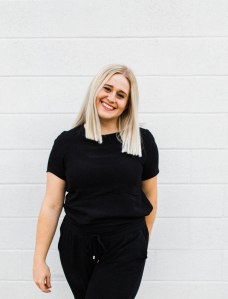
Kotryna Liepinyte

MY STORIES:

MY BLOG:

Going into journalism, I pictured myself working in a news room reporting news for a major news network like CNN or even hosting on Good Morning America. However, that’s not where my life has taken me. I’ve found myself publishing stories online instead of on air, and working freelance helping companies boost their social media marketing. Needless to say, I have moved away from journalism.

That being said, I realized that I still love writing. Wherever my career takes me, I want to continue writing, regardless what it is for. As I start my new career at a brand new company, I’m excited to move forward and implement my writing skills in creative ways at my new job. Writing will always be a part of me, and I will always enjoy sharing stories.

During this semester, I have realized that I knew nothing about the Latinex community in Utah. I had heard discussions about West Valley and the situation that it was in, but never about what was actually happening. This beat certainly opened my eyes in that particular community and shed some light as to what is going on.

While poverty was a major issue in West Valley City, I quickly realized that that wasn’t the only issue in the city. The families there were sharing single bedrooms with eight people and kids had to quit pursuing their dreams to help their families instead. What really pulled at my heart strings was the fact that this was happening right next door.

It’s easy to sit in my parent’s home and overlook the Valley. Our worries on a day-to-day basis consist of what dish we’re having for dinner, what we’re watching on TV that night, and what the biggest scandal was in each of our individual lives. Not once did we question where our food was coming from, if we had the money to pay for electricity, or how lucky we were to have jobs in the first place.

The entire beat has been extremely humbling and I am grateful that I had this opportunity to learn more about the community next door.

Working on this beat opened my eyes to the status of West Valley City. It truly shocked me when I realized that these families living in poverty are going unnoticed. There is little to no help in the community from the state, besides volunteer food drives. This frustrated me immensely.

It opened my eyes also to what local news stations were reporting. Here I was sitting in house that barely had food for dinner while the news reported events that seemed so minuscule in comparison.

It made me angry.

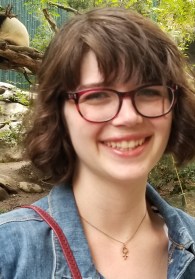
Maude Shoot

I want to go forward in my career and account for these things. I want to work hard to make sure there is recognition in areas that need recognition. That there is help for people who need help. And that there are a multitude of resources available free of cost for people who need resources, but cannot afford it.

This beat has truly reshaped my views and my beliefs and has lit a fire for a passion to do something.

ABOUT ME:

Customer Relations Specialist focused on genuine, trustworthy, and helpful experiences. Experienced Floor Lead with a demonstrated history of working in the cosmetics and retail industry. Skilled with social media analytics, customer service, camera operations, directing, producing, and editing. Strong support professional with a Bachelor’s degree focused in Communication and Media Studies from University of Utah.


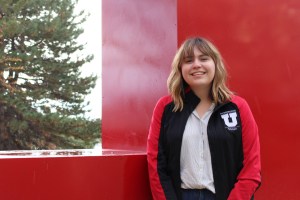
Emma Johnson

MY STORIES: 

MY BLOG:

For as long as I can remember I’ve always had a special connection to the news. I grew up in a home where local and national happenings were a common topic of conversation. In the sixth grade, I participated in a program called “Biztown,” created for students to help familiarize themselves with the professional workforce. In preparation, we had to fill out a questionnaire explaining what we liked doing, our strengths, weaknesses, etc.

IMG_9885.PNG

At the age of 12, most of my friends wanted to be professional dancers, accountants like their fathers or interior designers, all I wanted to do was talk about the news. I finally made the connection that I could make news my career and I’ve been working at it ever since.

My mother always said, “If you have a job you love you never work a day in your life.” I love being a journalist. It’s something I am passionate about and something that challenges me every day.

But, when Professor Mangun first announced that Latinx and Hispanic culture and community would be the Voices of Utah beat, I was intimidated. However, the beat made me reach outside my comfort zone and look beyond my scope of knowledge and report something I knew nothing about.

Through the beat reporting, I learned a lot about myself as a journalist. My expectations changed as I learned I could report on anything if I genuinely dedicated myself to my topic. I am happy with the content I have produced and want to remember that pushing myself to explore hard topics will help me become better versed.

ABOUT ME: 

University of Utah Communications and Journalism student graduating in May. Working as an assignment desk editor and web producer at ABC4 News Utah. Lover of news writing and dedicated news junkie. After graduation, I plan on staying at ABC4 and working towards my goal of becoming a multi media journalist.

Brianna Winn

MY STORIES:IMG_0837

MY BLOG:

When I first learned we would be covering the Hispanic community here in Utah, my mind immediately started racing. I thought of immigration instantly. Why, though? I wanted to explore this question deeper and I definitely did. What I realized throughout the semester, and by writing more stories, was I didn’t want to focus on things like immigration or political issues that we hear about all the time in the news. I started learning about the Hispanic community and talking to people and realized all the good that the Hispanic community brings to Utah. I started researching and noticed all of the nonprofit organizations there are for Latinos. Covering this beat helped open my mind and not think so negatively.

I remember Alex Guzman, president and CEO of the Utah Hispanic Chamber of Commerce, saying to us in his speech, “There is so much good that we bring as the Hispanic community, explore that and study that.” Reflecting on my work this semester, I feel like I learned so much. I learned not only about the Hispanic community in Utah but also about myself. I learned how narrow-minded I was, and stuck in the ways of the world — stuck in politics. It’s so easy to watch the news and see all of the negativity surrounding the Hispanic community and only communicate about that. Really there is so much good their community brings to the states, Utah in particular. I hate to admit all of this but I am so glad that my way of thinking has changed and that I had the opportunity to cover this beat this semester. I would say the most difficult part of this whole experience has been interviewing. It’s intimidating being a student and going out into the real world and having to talk to people. Overall, it made me a stronger communicator and a better reporter and most importantly a better person with more insight.

ABOUT ME:

Brianna Winn is a student journalist with dreams of becoming a sideline reporter at ESPN or CBS. Brianna grew up in Cocoa Beach, Florida, and moved to Salt Lake City by herself at the age of 18 to gain new life experiences. She became interested in broadcast journalism after seeing Tracy Wolfson, a CBS sideline reporter on the television.

While watching Wolfson talk to athletes, it struck a fire in Brianna. Ever since she has had a passion to work in the sports industry. She has been at the University of Utah studying mass communication. She recently obtained an internship through Utah’s athletic department where she helps live-stream collegiate level sports, while also gaining knowledge in the world of editing. She hopes to gain knowledge behind the camera in order to work her way in front of the camera.

Brianna grew up around sports, whether that was playing them or watching them with her uncles. She loves meeting and talking to people and has an outgoing personality. This drew her to communication, and journalism in particular. Brianna will graduate from the University of Utah in the Fall of 2019 with a Bachelor of Science in Communication.

Kaeli Wiltbank

MY STORIES: 

MY BLOG:

It’s a blessing and a curse to have a voice. I’ve always been that person in the room who says what everyone’s thinking. My undying need to see justice prevail is like that itch on your nose that won’t go away. I see raw, honest communication as the only way to get to a place where justice lives freely, so I’ll use my voice, even if it means I’m that person in the room who says what everyone’s thinking.

It’s a blessing that I have been given space to voice the thoughts inside my head. Less than 100 years ago women weren’t even able to cast a ballot, a simple check mark on a piece of paper, let alone be given space to express actual words. It’s a blessing that strong women before me have fought so passionately so I can have a voice.

It’s a curse that I have so much space to fill with my voice. There are so many words that need to be said and so many blank pages yet to be filled. I hate being that person who says what everyone’s thinking. Carrying around all of those blank pages can be a heavy burden. I have whole notebooks sitting in my mind with title pages that read “Racism,” “Gender Inequality,” “Climate Change,” and more. Wouldn’t it would be a shame to sit silently and not fill them up?

This semester I filled up a few of those pages while writing about the Latinx community in Utah. My eyes were opened to the struggles and injustices that racism brings. I beamed with the pride of parent when I heard of bilingual students who put in double the effort to educate themselves in both their native language and English. I have an admiration for Hispanic business owners, who have not only immigrated to a new country but have created thriving businesses in our community.

“If you’re not outraged, you’re not paying attention,” was Heather Heyer’s last words to social media before she was killed while participating in a peaceful protest. There’s so much to be outraged about and so much space given to us to do something about it. So, I’ll keep being that person in the room who says what everyone’s thinking, even if it means being that person in the room who says what everyone’s thinking.

kaeliwiltbankphoto-4831ABOUT ME:

Kaeli Wiltbank is a multimedia content creator, specializing in the written word, photographs, and other various digital assets.

She recently graduated from the University of Utah with a BA in Strategic Communication. Complemented by an AAS in Social Media Marketing and 10 years of photography experience, she offers content creation services for businesses. 

Although she grew up on a ranch near Eagar, Arizona, Kaeli is a city girl at heart and has decided to call Salt Lake City home.

Kaeli has a passion for learning and lets her curiosity for life fuel her creativity. When she’s not writing or taking photos, she can be found watching a documentary or reading a good book. 

Sarah Saidykhan

MY STORIES

MY BLOG:

Profile Picture

Sarah Saidykhan (SAY-DEE-KAAN)

Hello and welcome! My name is Sarah Saidykhan, and this semester, I had the opportunity to write for Voices of Utah and bring awareness to the stories and challenges of Utah’s Hispanic, Latino(a), Latinx population.

I was blown away by the willingness of the people to share their traditions, stories, and hopes for better days. I was excited, nervous and emotionally overwhelmed by the generosity I encountered.

During the semester, I gained a deeper understanding and appreciation for news and creative writing. I learned new ways to overcome writer’s block, and I relearned how to organize my thoughts, so they flow nicely and make sense. This class helped get me back to the basics of what it means to be a journalist.

I was challenged to get out of my comfort zone and explore new topics. Because of this, I now have multiple skills to help me overcome any writing issue I encounter. Taking this class offered me experience as a beat writer and the skills learned, will not be forgotten.

ABOUT ME: 

Sarah Saidykhan is a radio and multimedia journalist based out of Salt Lake City. Born in Anaheim, Calif., she grew up wanting to be a Hollywood actress or stand-up-comedian in Las Vegas. Turns out her heart, passion, and skills were in creative and news writing.

Sarah graduated from the University of Utah with a bachelor’s degree in communications. While at the U, Sarah interned on the radio program “In the Hive” on KCPW 88.3 FM in Salt Lake City and contributed to Voices of Utah, an award-winning project for student journalists led by Dr. Kimberly Mangun.

Before attending the U, Sarah was a contributing writer for The Globe, Salt Lake Community College’s student paper and hosted her own radio hour on Radio SLCC where she discussed issues facing students, Utah’s daily headlines, politics, entertainment news, and national and international news.


Katherine Rogers

MY STORIES:

MY BLOG:

I approached my third story, originally wanting to focus on the Latinx students in the ONErefugee program, with complete confidence that those students would want to talk to me. In my short time as a journalist, I’ve run into few people who aren’t eager to tell a reporter about their life, passion and/or work.

I was told by Selma Mlikota, the career specialist at ONErefugee, that there were Guatemalan students in the program and that she would reach out to them for me. I asked her to be sure to tell them that I could keep them anonymous if they liked and wouldn’t ask them any questions about their time in Guatemala if they didn’t want to talk about it.

When I got the email from Mlikota saying that none of the students were interested in talking to me, I was genuinely caught off guard. This was the first major wall I’ve run into while writing a story.

I didn’t know what to do. It made me feel like I couldn’t write about ONErefugee, which was disappointing. I have wanted to write a story about it for quite some time.

After consulting with my teacher and a few others, I settled on focusing on the volunteers who work with the students at ONErefugee. These people give their time to help these students by tutoring them, giving them career advice and helping them navigate life in America.

Talking to the volunteers was very interesting and helped produce a story I could still be proud of. Meeting with Mike Jenkins especially helped. It was clear to me that he is someone who cares deeply about his work and wants to help anyone he can.

Sometimes there are those who don’t want their stories to be told. Or, at least, they don’t want them to be told in such a public way. That’s a personal decision and shouldn’t be taken away from them.

Realizing that taught me, just because it isn’t the story you set out to tell, doesn’t me it isn’t worth telling.

ABOUT ME:

I’m a senior communications major in the journalism track at the University of Utah graduating in December 2019. I’m currently an intern at CATALYST Magazine. I’ve lived in the Salt Lake Valley my whole life and love it dearly, but I am excited to explore the world and see new places.Bio Pic

I plan on pursuing a career in journalism. I’ve been interested in journalism from a young age. This likely came from growing up listening to NPR and wanting to read anything I can get my hands on. I love stories, especially ones about real people. I want to help tell those stories.

I believe it’s important for people to be informed about the world around them. After all, an informed, educated population is a productive one. I’m eager to get a chance to make sure that people know important information.

Along with loving stories, I also enjoy the process of writing them. I have discovered how much I like doing research for stories. I find interviewing to be an interesting process. It gives you the chance to talk to real people about the real things that affect their lives. The enjoyment that I get from writing helps keep me productive and organized. I always strive to be honest and ethical in my writing.

Megan Christine

MY STORIES:

MY BLOG:

Throughout my time writing for Voices of Utah, I have consistently surprised myself. I began my academic career a shy, introverted student who would avoid talking to new people at all costs. My writing abilities were mediocre at best. This class has showed me just how much I have changed.

I love the journalistic process. I love discovering an issue or person or organization and learning everything I can about it, really diving into it as deeply as possible. I especially love having the opportunity to meet new people and hear about their pasts, stories, and what they believe. The process of compiling all my research and findings into something that flows and (hopefully) inspires is challenging, but in the best way possible.

The idea of opening a person’s eyes to an issue and motivating them to take action is exactly what I want to do. Information is key to our democracy. In order to be a civically engaged citizen, we need to be informed. To be a small piece of this process has been amazing and something I want to continue doing.

Continuing this idea of civic engagement, the media has a critical responsibility to portray all groups fairly and accurately. I believe this is something our media are not doing well. When we hear about members of the Hispanic/Latinx population in the news, it is typically in a negative light, and our political leaders often encourage this. During my time reporting this beat, I only found inspiring and uplifting stories. These are people who have to work against what the media write about them, instead of with the media’s support. It is disappointing that the press ignores these and focuses on negative stories instead, because it is not an accurate representation of this community. This makes it more difficult to be a civically engaged citizen, because if we don’t believe in members of our community, we won’t want to help them.

I study strategic communication and, in the past, have been adamant about not wanting to work as a journalist after I graduate, keeping my eyes on a career in marketing and communications. Before, I was planning on only looking at jobs in marketing and communications in the nonprofit sector. I believe that sharing the work these organizations are doing would be a fantastic way to spend my career, though now I am also considering a career in journalism because of the experience I gained in this course. I find the process of writing challenging but extremely rewarding, and to have the opportunity to do this as a career would be phenomenal.

I truly believe that you learn the most about yourself when you serve others. Throughout this class, I have had the opportunity to put my personal interests aside and learn about different organizations and people. Because of this, I was also able to learn a great deal about myself, what I enjoy working on, and what I might want to do in the future.

ABOUT ME:

Megan PetersonI am a strategic communication student completing my third year at the University of Utah. I work as an Intern at UServeUtah, the Utah Commission on Service & Volunteerism, and as the Lead Coordinator for the Bennion Center Scholars program.
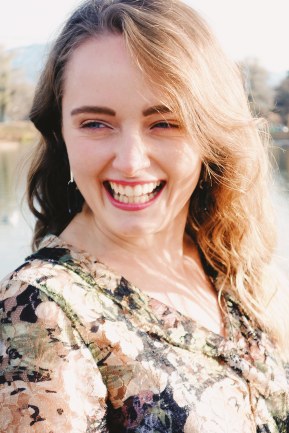
Civic engagement and service are both things that have defined my college experience. Throughout my communication studies and service with the Bennion Center, I have been able to learn just how powerful the media we consume are and how media outlets can be used for good. After I graduate, I want to work in a marketing or communications position in the nonprofit industry or as a journalist. I consider these to both be opportunities that would give me the chance to utilize the skills I have learned throughout my undergraduate career to influence others to create positive change.

Jasmine Barlow

MY STORIES:

Processed with VSCO with fp8 preset

MY BLOG:

As a child with an unfettered curiosity of the world, I formulated my ideas and discoveries in the form of journaling and writing stories. It felt like a safe place to release my unfiltered thoughts in globs of splattered ink and wrinkled pages from recycled notebooks. At 10 years old, I embarked on a quest to read a thesaurus daily, tricking adults and book publishers into thinking I was smart because I knew big, flowery words. I was convinced I figured out the “formula” for becoming a best-selling novelist, as if raw story telling and speaking your truth was not enough.

I realized over time that writing isn’t about boasting one’s intellectual prowess or a catalyst for an ego trip. It’s how your message resonates with your audience and sparking the change you wish to see in the world, along with a spirit of adaptation. It goes beyond aggrandized wants and transforms into empathy and shared connectedness with others. Voices of Utah has been a pivotal experience that has deepend these values, recognizing the honor and dignity that goes into inclusive journalism.

I was riddled with anxiety going into the class, clinging onto beliefs of the competitiveness and cut-throat nature of the industry. My experience was fortunately the opposite. I had immense support and encouragement from classmates and the instructor, creating an environment of oneness and accountability. Interviews evolved into heartfelt conversations and vulnerability. Engaging with the artists and spiritual leaders of the Latinx community reflected the resilience and passion of their craft. Struggling with a lifetime of toxic perfectionism, I let go of trying to create a Pulitzer Prize-winning story and focused on passing the mic to disenfranchised voices in our community.

Going into these interview spaces was a truly humbling experience. The outsider phenomenon flooded my awareness, and I made a conscious effort to monitor how I interacted in these spaces and the questions I was asking. Instead of bombarding the subject with overwhelming questions and sticking exactly to the outline, I let the conversation flow with gentle guidance and allowed them to tell their stories without restraint. Being part of the majority racial group in Utah, it takes practice to re-evaluate your contribution to relieving social inequalities and challenging your internal biases.

ABOUT ME:

Venturing to my small town’s library as a child was a sacred ritual that opened doorways to imagination, creativity, and a burning passion for artistic expression. Understanding the mighty power of the pen and paper, writing felt like a superpower and a path of liberation. It represented the desire to seek truth and justice while connecting the dots of ideas, nature, and how things work.

My fascination transformed into action as I dove into creative and technical writing opportunities throughout college. Top highlights include published articles for University Study Abroad Consortium (USAC) and a summer editing internship for a local magazine and luxury travel company in Bali, Indonesia. Studying strategic communications strengthened my business mindset and pushed me out of my comfort zone by engaging with the nuances of rhetoric within marketing and branding. My decision to minor in Global Citizenship stoked the fire for international learning, with a study-abroad adventure in Sweden and learning French as a second language.

I am not going to pretend I am all work and no play. I enjoy taking blissful walks, exploring Utah’s natural wonders, sipping every blend of coffee in the city, and implementing yoga and meditation into my daily life.

After graduation, I plan on expanding the skills I learned in Voices of Utah and university studies to pursue full-time travel writing and creating digital content that touches upon the human experience on a global scale.

Jorge Fierro accomplishes the American Dream with restaurant, Rico brand

Story and photos by CALLI PETERSON

“The fact that as an outsider coming to this country not speaking any English and not knowing anybody,” said Jorge Fierro, owner of Rico brand and Frida Bistro, “I have been able, with a lot of hard work and a lot of help from my employees and friends, to accomplish the American Dream.”

jorge

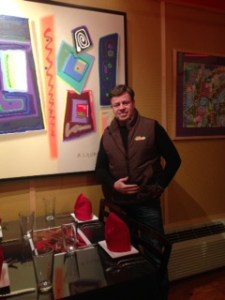
Fierro stands next to one of the paintings in Frida Bistro.

Fierro proved that dreams can truly become reality with deep passion and a lot of hard work. After growing up in Mexico, Fierro decided to leave his home and head to the U.S. hoping to learn English and make a name for himself.

“When I came to Utah in 1985, I didn’t know anybody,” Fierro said.

He said he did not have a place to live, so he ended up staying at a shelter for about a month.

Though his choice of living proved limited, he did not let that stop him from pushing to learn English and searching for a place to work.

“I went to a Catholic church, and they needed a volunteer to wash dishes,” Fierro said. “So, I said ‘Me! Me! I’m a dishwasher!'”

Fierro’s time at the men’s shelter gave him opportunities to see life in a new light. As he became more and more successful, Fierro searched for ways to give back to those around him.

“I was never hungry, so I promised to pay it forward,” he said, raising his sleeve and showing the words, “Pay It Forward,” tattooed on his arm.

And “Pay It Foward,” Fierro does.

In the early 1980s, he gained the friendship of a local couple, Larry and Gail Gerlach. Gail, who was teaching at Shriners Hospitals for Children, hoped to bring some authentic Mexican food to children from Mexico who were undergoing surgeries.

She called Fierro, knowing he would help her accomplish this dream.

“He came up one day and brought food for these kids, and they just exploded with joy,” Larry said in a phone interview. “Gail wrote him a check, and he said, ‘No. No, no, no. Señora, it’s on me, for my people.'”

By this action, Fierro supplied the children with something to look forward to and gained a permanent part in the hearts of the Gerlachs.

“He’s a special friend,” Larry said. “What he did for my wife at that hospital, I think, as much as anything, speaks of his character.”

Fierro actively works with the community by holding fundraisers for nonprofit organizations and initiating the Burrito Project.

The Burrito Project helps to feed the homeless with burritos and bottles of water in Salt Lake City. A large percentage of the homeless, Fierro found, are veterans. This discovery became a significant reason why he works so hard to feed them.

Fierro assembles a group of volunteers who come together to make bean and rice burritos. After the burritos are made, the volunteers hop on bicycles and ride around the city giving burritos to those in need.

This humanitarian effort attracted many volunteers, including University of Utah football players.

“Being able to feed the homeless is one thing, but actually seeing the ins and outs and seeing how these people in the shelter live, it’s very eye-opening,” said Matt Martinez, a former U football player and Burrito Project volunteer. “It’s very humbling to have them say ‘thank you.'”

In a phone interview, Martinez said he has become friends with Fierro and hopes to bring more publicity to this project.

Fierro’s philanthropy has been possible, in part, because one day he had an epiphany about the poor quality of Mexican food in America.

“One day I went to a supermarket, and I bought some flour tortillas and kinds of refined beans and some cheese,” Fierro said. “When I opened them, I was really disgusted with the beans. I thought, ‘What is this?’”

Fierro never dreamed of running his own food business, but after recognizing the lack of quality ingredients in Utah, he realized he needed to do something.

“I was thinking ‘What can I do?'” Fierro said.

He grew up with his mother running a small business. Fierro’s mother would make cooked beans, package them and sell them to markets in Mexico. Having watched her, Fierro had the thought that maybe he could do that too.

Not thinking once more about it, Fierro asked his mother for her cooked bean and creamy salsa recipes and started selling beans downtown at the farmer’s market.

Frida

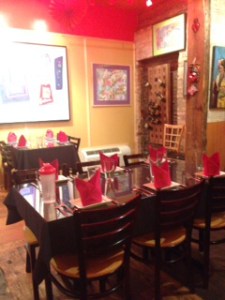
Frida Bistro is designed with many bright colors and dim lighting. Even the waiting area is decorated to match the design.

Sales started to increase little by little and soon Fierro was approached by someone who represented a small line of farmer’s markets. They asked him if he would be interested in putting a label on his products and selling them.

Fierro jumped at this opportunity and thus was born the Rico brand.

Sales took off, so Fierro started searching for a larger place to prepare and distribute his products. As he was searching, he came across a large warehouse located on 545 W. 700 South.

He turned the warehouse into a place where he and his employees could make the food for the Rico brand.

Then, another opportunity presented itself.

“The front of [the warehouse] used to be my employees’ break room and my office,” Fierro said. “People would drive by and see my employees eating. They would come in and open the door and go ‘Oh, I’m so sorry. I thought it was a restaurant.’ So, OK, let’s start a restaurant.”

And so, Fierro converted the warehouse into a restaurant.

He chose the name Frida Bistro to honor the celebrated artist, Frida Kahlo. “Like Frida Kahlo’s passion for art, Frida Bistro represents Jorge’s passion for food,” according to ricobrand.com.

Bistro

Pictured is one of Fierro’s favorite spots in his restaurant.

Frida Kahlo became the overall theme of the restaurant as paintings of her embellish the walls. Bright colors and dim lighting also contribute to the decorative design of the restaurant which Fierro designed himself.

To add to the authentic feel of the restaurant, Fierro changes the menu every four months or so.

“I took the time to go to Mexico and learn about our gastronomy,” Fierro said. “We created our menu around that.”

In 2011, Frida Bistro was recognized as the best Mexican restaurant in Salt Lake City, according to the Salt Lake Magazine Dining Awards 2011.

Now, Fierro is the proud owner of Rico brand and Frida Bistro and also serves on the board of directors for Local First Utah. He actively works with the community by holding fundraisers for nonprofit organizations and initiating the Burrito Project, which helps to feed the homeless.

He adamantly believes in searching for a passion and is glad he found his calling.

“The most important thing: I love what I do for a living,” Fierro said. “I love what I do for a living.”

Chili Beak, adding some spice to the community

Story and photos by DAVID FISHER

Sometimes food just needs an extra kick. Additional flavors and heat can make what was once bland, become a brand-new taste full of extra zing and spice.

Giselle and Jason McClure of Salt Lake City have concocted an original flavor booster known as chili oil. The McClures create the chili oil in their own basement, only to later be distributed to 22 different locations in the Salt Lake Valley available for purchase. Their concoction prompted them to start their own business, Chili Beak.

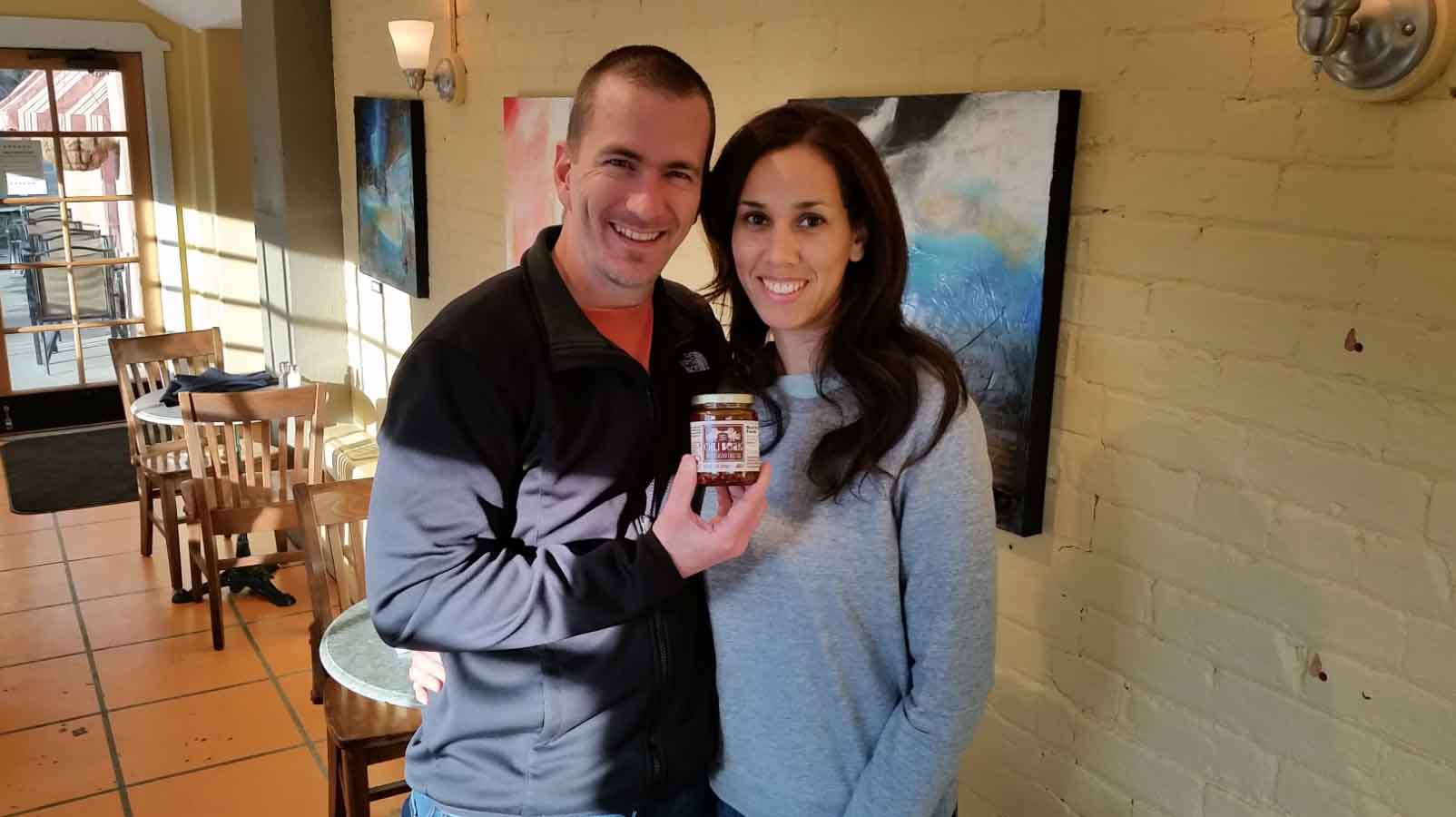
Giselle and Jason McClure show off their latest flavor of Chili Beak.

Giselle and Jason McClure show off their latest flavor of Chili Beak.

Unlike hot sauces and salsas, tomato and vinegar is not added to create chili oil. It is a unique blend of a variety of chili peppers with oil and other spices. The main pepper that is used is called chile de arbol, which means bird’s beak chili. This is where the name Chili Beak came from. It is a completely unique product which the McClures ultimate long-term goal is to see on tables at many restaurants as a replacement to Sriracha.

Chili oil is the ultimate condiment. It can be added to everything from eggs, soups, brownies, and even popcorn. Simply just stir it with a spoon, and scoop it onto food. Its smooth consistency and natural ingredients create a unique flavor that does not upset the stomach. No preservatives are added, and all ingredients are all-natural. It can be used as a marinade, mix in, or even added into recipes to create original new flavors. The flavor of chili oil will be felt first, and then a subtle heat begins to creep into the taste buds.

While visiting Giselle’s family in Mexico years ago, the McClures discovered chili oil. They could not find any product like it in Salt Lake City, so they decided to make it themselves as amateur chefs. After seven months of constant trial and error, and a multitude of coughs and sneezes, they created the perfect mixture.

They considered it better than the recipe they tried in Mexico because of an added smoky flavor. The smokiness is created with a lack of sugar and ginger. This was something different that needed to be experienced by people of the United States. Even Giselle’s family in Mexico was requesting that they have their own to share with their friends and family.

“This would be more than just a food company,” Jason said. “This would be a people company. As a company it is about family and community. We want to bring people together and have fun with it.”

Chili oil is meant to be stirred and served with a spoon.

Chili oil is meant to be stirred and served with a spoon.

Food connects people, creates conversation and promotes new communities. Giselle explains, “If I can share food with somebody, I am happier.”

Only having started their business in August 2014, Chili Beak has expanded tremendously through word of mouth and social media. A Facebook, Twitter and even an Instagram page have been created to promote the business. The McClures wanted to create a responsive community in which people get involved with Chili Beak digitally. This is what began the creatively catchy “Let me Spoon You” campaign, which is named after the unique way to prepare chili oil.

Through social media, and using the hashtag SpoonYourFriends, families are showing how they are using and preparing Chili Beak in their foods. This creates an interactive experience in which creative ideas to use chili oil are shared on Twitter, Facebook and Instagram. It was through this that the ingenious idea of using chili oil on top of vanilla ice cream was discovered by a customer.

For Valentine’s Day, the #SpoonYourValentine campaign was created to share how people were preparing meals for their loved ones with Chili Beak. Chili Beak has created a community for all to get involved with, and has inspired the McClures to want to create a chili oil recipe book based on the inventive recipes customers have shared.

All ingredients that are used to make the chili oil that Chili Beak produces are bought from local businesses within Utah. For example, the salt used within the oil is bought from Utah’s Redmond Real Salt. Local businesses are their own community, and they do whatever it takes to help each other out.

People share their recipes online, such as this mango chutney made with Chili Beak.

People share their recipes online, such as this mango chutney made with Chili Beak.

Kristen Lavelett, executive director of Local First Utah, explains that “locally-owned business create personal stability because of the relationships we build with people. It’s another way to love your neighbors.”

While sampling Chili Beak at farmers markets in the area, the McClures use locally-produced chips and chocolate from Hatch Family Chocolates. The chili oil is added to things like hummus and ranch dressing for people to taste. It’s a challenge when people ask about the hummus and ranch, and not the chili oil itself. The chili oil is what creates the unique spicy flavor to the condiments. But, the McClures enjoy promoting a product that is different to a local community. It is a matter of experimentation to truly discover the one-of-a-kind flavor chili oil produces.

“We love doing this because we truly enjoy it,” Giselle said. “We committed ourselves to something different. We want to inspire people to do more with chili oil. If we can have fun with it and get the community involved, that is a plus.”