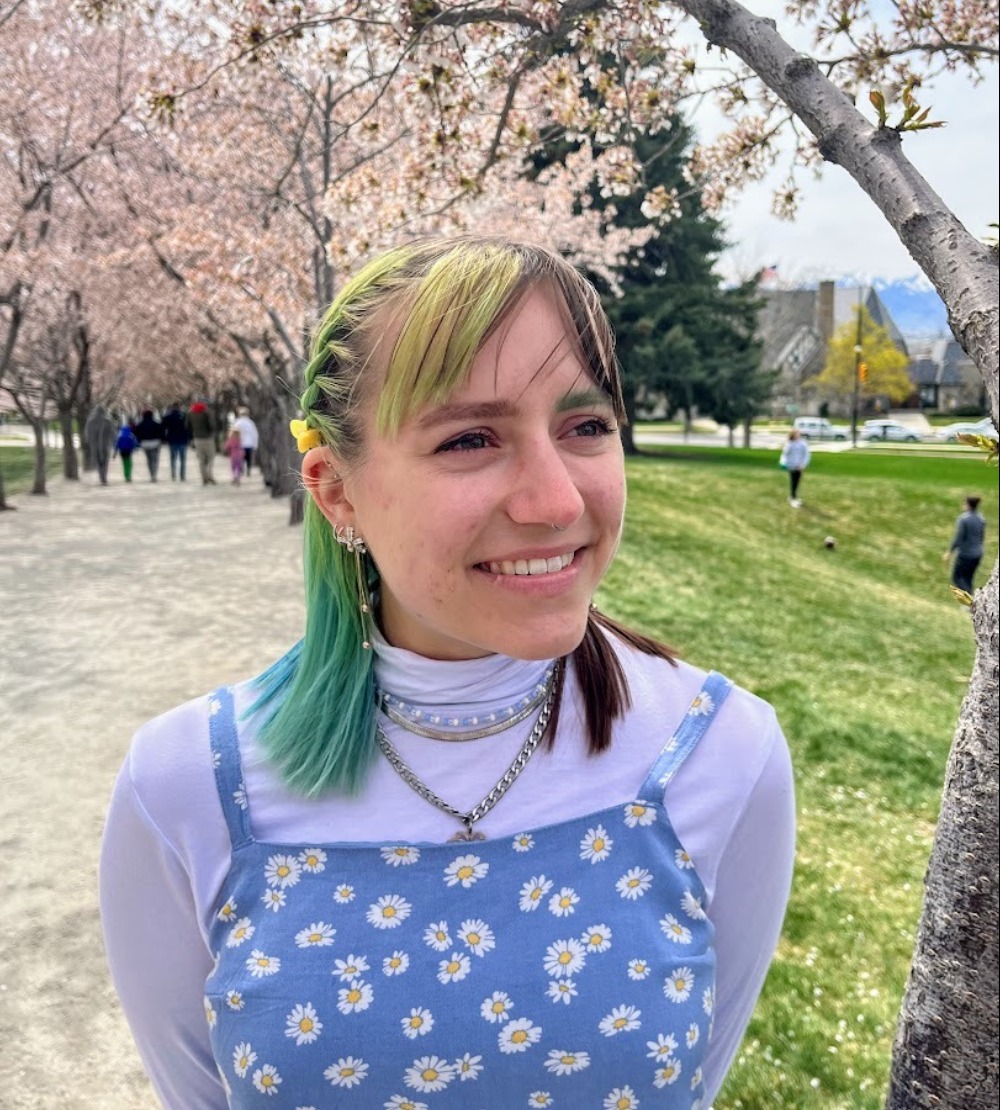
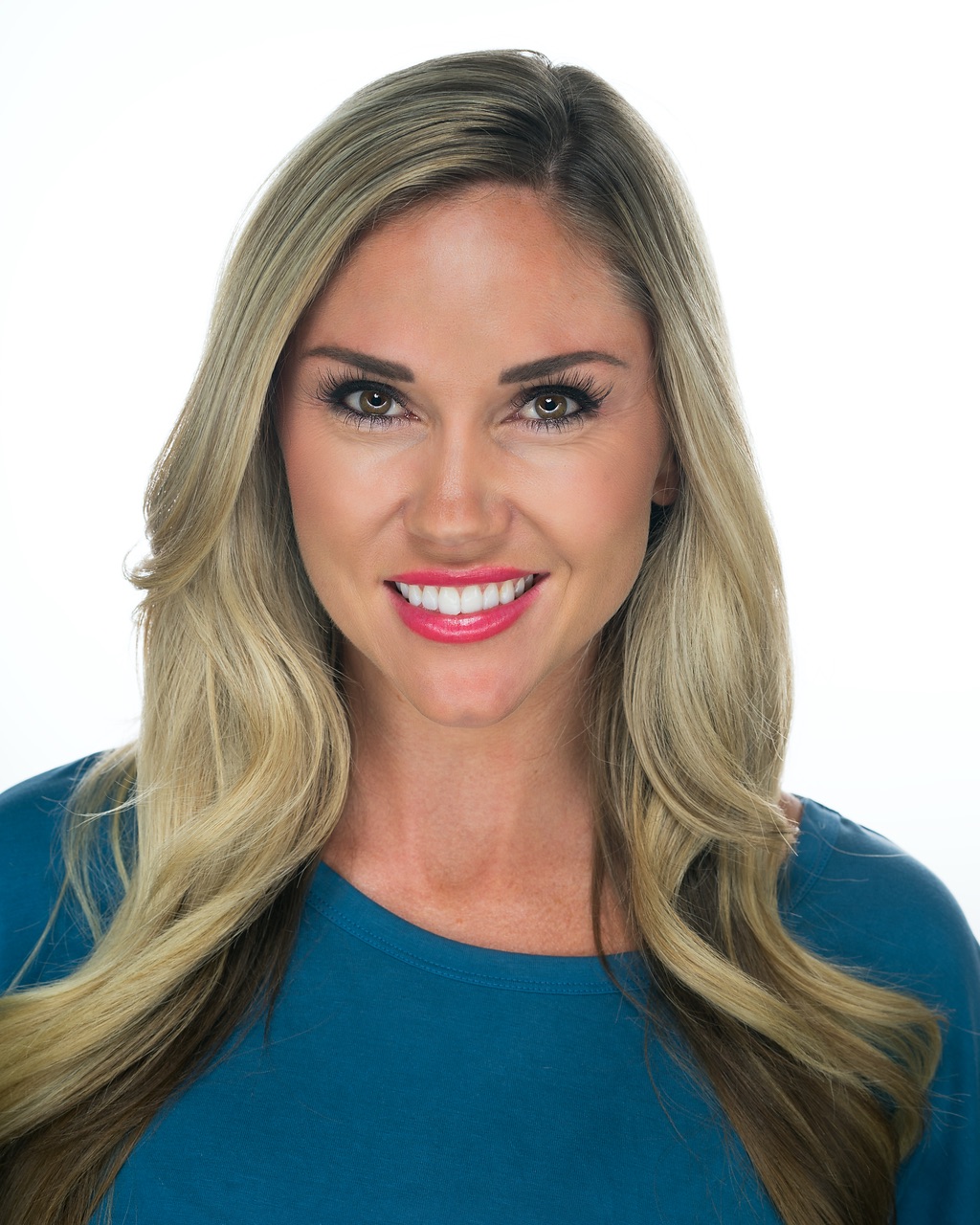
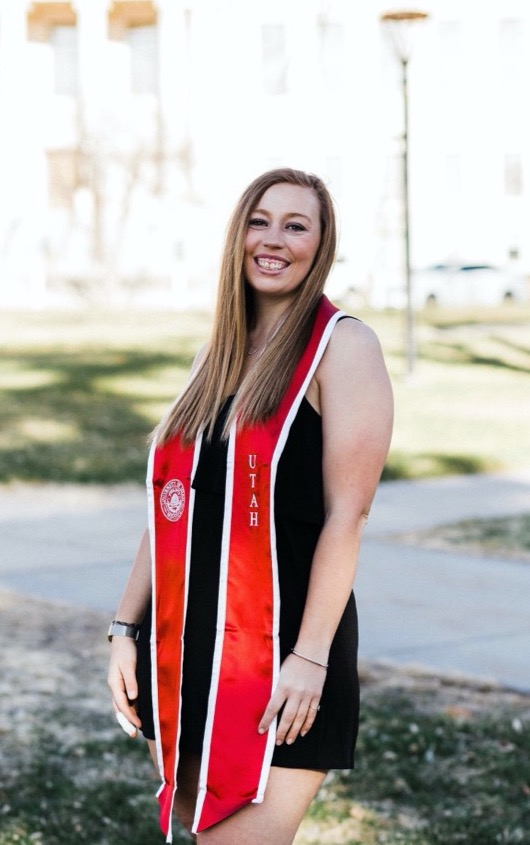
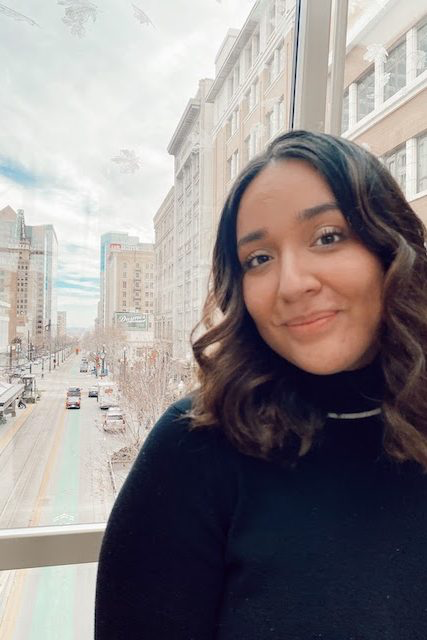
Jiyoon Yu

MY STORIES:

MY BLOG:

When I heard our Voices of Utah Spring 22 beat is related to Asian Americans, I was excited and nervous at the same time. Because I felt little pressure to come up with a creative topic, it was my first time writing my article.

At first, I felt difficulties collecting and selecting some sources and interviewees. Publishing a story can be a crucial factor in giving recognition to an audience. 

Learning the manner when I do some interviews with people whom I never met was a challenge itself for me. Setting the location, interview times, and making appropriate questions are valuable experiences as a future journalist.

News outlets that thrive now and in the future will be those that can understand and serve the whole of their communities.

I continually tried to consider the ‘Writer’s toolbox’ by completing my article. I’m not an English person, but I believe that text and strong topic sentences have the power to move our minds. Writers should look over their stories before publication. This practice makes a lot of sense in investigative reporting when we interview powerful people for a story. The vast majority of my interviews were not adversarial situations. People I interviewed were often helping me out. In this point of view, peer editing is also one of the essential previous steps. 

The relationships between my peers and me are cooperative ones. We can exchange much advice and get ideas for a wide range of sentence types. Solid supporting details and a nut graph tell the reader what the writer is up to; it delivers a promise of the story’s content and message. All these diversity components need persuasive arguments that this issue has broader, deeper, urgent effects on our news organizations and their future sustainability. It is an honor to participate in this meaningful project, and I’m grateful to everyone around me for helping me develop my reporting and writing skills. 

ABOUT ME:

A graduate of the University of Utah, Jiyoon Yu is a high achiever who majored in Communication. She has a passion for journalism and looks forward to writing her own stories with her point of view as she enters the field of journalism and begins studying.

Jiyoon knew from an early age that she wanted to work as a journalist. Participating in journalism is something she is truly passionate about. Jiyoon enjoys movies and games as much as other people, but she actually views newscasters as the real superheroes in her life. She loved school from the moment she hosted the news as a school announcer. She has loved every minute of her time in the broadcasting booth, from exploring new topics to building strong announcing skills and collaboration with other students. 

Jiyoon is also an active learner of foreign language. In 2019, she was selected for Chinese Language Summer School program from University of Utah Asia campus (UAC) and went to Xi’an Jiaotong-Liverpool University (XJTLU) for four weeks. She finds this achievement very rewarding and considers it to be a wonderful experience that will help for her future career. During her high school years, Jiyoon served as a volunteering English tutor, helping students in lower grades master spelling and writing skills. 

She was a member of U-Go-Girl, which is a girls hip hop dance club and Ultimate Broadcasting with Absolute Quality (UBAQ) in UAC. She played a role that allows her to participate in various performances of UAC, such as Incheon Global Campus (IGC) Music Festival. For the UBAQ, she filmed and edited some short films directly to introduce students’ school life and uploaded them on UAC social media (Facebook) page as well.

Kristine C. Weller

MY STORIES:

MY BLOG:

When I heard our beat this semester was “the” Asian American community, I was very excited. 

Given the amount of Asian hate spurred by the coronavirus, and the number of microaggressions and discrimination Asian Americans experience on a daily basis, I knew this topic was important to cover. It is beneficial to report on beats such as this because they bring light to issues different groups face.

But I was also anxious. I felt unqualified. 

I had only published one story, and I was worried people wouldn’t want to speak with me and that my writing wouldn’t depict these communities accurately. 

This is why on the drive to the Wat Dhammagunaram temple in Layton, I did not stop when planned.

I was almost on autopilot. The drive to my hometown is one I have experienced many times. Even the path to the temple is very familiar — I admired it every day on my way to junior high. 

But as I saw the temple come into view at 10:30 a.m., I passed it. I didn’t pull into the parking lot as I was supposed to. 

I drove all the way to my childhood home and then back to the temple, 10 minutes round trip. 

After finally pulling into the parking lot of the temple, I felt the familiar pang of nerves. I had been here the week before, but that was to talk to just one monk, Phitthayaphon. Now I needed to talk to people attending the Sunday service, I needed to face a group. 

Would they refuse to talk to me? Would they be annoyed I was there?

I checked my bag for seemingly the tenth time that day. All the important things were accounted for: a small notebook with easily turnable pages, a fully charged phone and five pens. 

The five pens might have been overkill, but I wanted to be prepared. 

I walked to the front door of the temple and slipped off my dress shoes, placing them on the rack by other pairs. It had recently rained, and I was careful not to get my socks wet as I stepped toward the door and walked inside. 

I only had a second to take everything in before Arunne Chwab, who I later learned is a committee member at the temple, greeted me. 

“Are you new?” she asked. 

I breathed a sigh of relief. Right when she addressed me, I knew I would be OK. Everyone was so friendly, introducing me to others I might like to speak with, like Poonie, the oldest Buddhist in the temple, or Warunee, the temple treasurer. 

This moment reminded me why I love meeting new people. Although I’m not sure if I will ever feel less anxious going into situations like this, I am always delighted to find that people are so kind. It is a pleasure to meet and talk with such welcoming people. 

Discovering I really enjoy talking to varied people is part of why I decided to start studying journalism. 

In the fall of 2021, I was just learning the basics of journalism. Only half a year later, I am completely sure I want to be a journalist. 

While working on my story on the Wat Dhammagunaram temple, I didn’t just write because I needed to meet a deadline — I wrote because I like writing. I enjoyed every step of the process and continued editing until I felt I had a product that was my best. 

Anxiety has been a constant companion when I think of my future career. However, now that I know I can do something I am passionate about, enjoy, and is important, my anxiety has eased.

I am so glad the stories for this beat allowed me to learn so much about myself and about Asian American people and communities. Plus, I feel a little more qualified to be a journalist. 

ABOUT ME:

Kristine Weller recently went through a major change. Previously studying business economics and on the path to becoming a consultant, she is now an aspiring journalist. Weller realized that she would rather pursue her passion and affinity for writing. Looking through different career paths, she discovered journalism and decided to try it out. 

Although it was something new and challenging, writing and reporting were very exciting. Weller published her first story and knew very quickly that journalism was the right path for her. She is now studying communication with an emphasis in journalism and international studies with a focus on human rights. Weller plans to graduate from the University of Utah in 2023. After graduation, she wishes to combine both of her studies by reporting on human rights-related issues. 

Kristan Ehorn

MY STORIES:

MY BLOG:

I have realized through the beat this semester that there are so many things to learn about within my community that can help me to grow. I learned very quickly that it doesn’t take much to learn ways to be involved or to learn about someone’s business. All of the people I interviewed were very eager to talk to me about their work. They all seemed very passionate about it and were excited that someone was interested in them. This in and of itself was very inspiring to me. It was heartwarming to feel their love for their work through many conversations with them.  

My community involvement was the most eye opening when I got to hear people’s personal stories. I had a specific moment when interviewing one of the directors of The Asian Link Project. I felt like her desire to help other people was so selfless. It was very humbling to hear about the hardships she has helped with over the last two years. The volunteers do all their work for free and spend a lot of hours on their projects and that was incredible to learn about.  

I feel like I am more aware of social injustices due to this semester’s beat. I know more about what has been happening in our community and the struggles that people have had. I really didn’t know that people were being attacked as much as they are for being Asian. I was able to talk firsthand with people who had gone through these attacks, and it gave me an entirely new perspective on how hard that must be. I didn’t realize how close to home these issues are. I learned that finding this awareness about what is going on is the first step to being able to advocate and to get involved to help. I have been able to connect with some incredible people throughout this journey and I also learned a lot about their perspectives. I have a greater empathy for them, their culture, and their community.  

ABOUT ME:

Kristan Ehorn has been studying for two degrees at the University of Utah. Her first degree is Family and Consumer Studies and Human Development with a minor in Spanish. Her second degree is Communication. After she graduates, she plans to continue her career serving people in corporate wellness. She also plans to continue her career path with hospitality and design. She plans to implement her new skills with both of her degrees. Kristan’s primary interests consist of helping her community through volunteerism and assisting with personal wellness to corporate employees through offering onsite classes. Kristan is also able to offer support to others via her knowledge of digital design systems.  

Kristan has experience in many different fields. The first being corporate wellness. She has taught over 3,000 yoga and meditation classes to date and is ERYT-500 hour certified in her field. She has been teaching onsite for employees across the Salt Lake Valley for over a decade. Kristan plans to continue her journey along with expanding herself in other directions as well. She loves to use her high regard for other people’s feelings and wellness in other aspects of her professional journey. 

Kristan has overcome many trials in her life starting from an early age. She spent a year living in Mexico and has been able to use her fluency in Spanish to help communicate with others even further. Kristan found herself in very difficult situations and didn’t have much support, so she learned very quickly how important it was to empathize with others. Kristan has spent many hours volunteering in her community. She was voted as volunteer of the month at the YWCA in Salt Lake City, April 2022.  

Madison Kuledge

MY STORIES:

MY BLOG:

This was my first time beat reporting. And to be honest, before I began this class I had no idea what it was, but I was eager to learn. 

When I learned that we were going to be focusing on the African American community within Salt Lake City I was excited and got to thinking about what I could report on that was important to me and the community. Therefore I chose to report on the two communities that had the most importance to me, my sorority and skiing. 

Initially, I was excited but then I began to get nervous. How does one who is an outsider of this community approach such a sensitive subject? I didn’t know how to ask someone to tell me about the racial discrimination that they had faced. However, I knew learning how to do this and putting it into practice would make me a better journalist. 

I quickly learned when I began talking to my sources that although it was a sensitive subject once I built rapport they were willing and happy to talk with me. Many of the conversations I had were informative and inspiring. 

I am thankful for this class for getting me involved within the communities that mean the most to me and opening my eyes to the issues within them and what I can do to help. 

I always knew ski racing was racially unequal but I never knew how bad it was or how I could make a difference. When I was talking to Shay Glas I learned about her idea to start an organization that provided used ski equipment to those of low income and I was inspired to get involved. 

Ski racing has been a passion of mine since I was 13 and over the years I have collected a lot of equipment and now that I have just recently retired I have no use for much of my stuff. After talking to Shay I am now excited for the potential that my equipment and fellow teammates can provide. 

After this semester I can confidently add a new skill to my journalistic tool belt, beat reporting. And I truly believe that it will help me in my future career. I think it’s important, as a journalist, to go out into your own community and find out what’s happening and to connect with the people in it. One can learn a lot by just having a 10-15 minute conversation. 

This is something that I do plan to stay involved with and while I only have a few short months left here in Salt Lake City I’d like to stay connected to the community. Wherever I move to next I’d like to continue to make a difference with my writing and be invloved with my community where it’s most needed. 

ABOUT ME:

Madison is originally from Minneapolis, Minnesota, and came to the University of Utah for her love of skiing. She is a senior in her last semester studying communication with an emphasis in journalism and minors in German language, geography and documentary studies. Madison has always had a passion for writing, yet, she never pursued that passion until she spent a year studying cell and molecular biology. It was when she was asked, “What do you want to do with your biology degree?” and her reply was, “Travel the world and ski” that she knew it was time to switch her major and journalism seemed like the ideal choice.

Since, she has loved every moment of her education. Madison has worked with Deseret News as an Arts, Entertainment and Trending News writer, Her Campus Utah as a bi-weekly content writer and Opportunity Network doing PR and content writing. She has a strong desire to travel and write about the world around her.

After she graduates in May, Madison plans on taking a year off and teaching English in Europe, hopefully in Russia or the Czech Republic, before either obtaining a master’s degree or finding a job relating to journalism.

Catie Quigley

MY STORIES:

MY BLOG:

While reporting this beat, I consistently felt like an outsider, which was ironic as I was writing about the stories of people who are constantly made to be outsiders by society.

I am a white, privileged woman who has never had to personally deal with any sort of systemic barriers. Almost everyone that I spoke with for my stories was a person of color whose life was at least partially shaped by the color of their skin.

In school and work and nature and essentially anywhere else in Utah, I can fit right in, but as I interviewed Victoria, Javier, and Jonny from Latino Outdoors, I felt how they do in most social situations here.

For the sake of convenience, we decided that it would work best if I interviewed all of them at the same time. This strategy ended up being a fantastic way for them to share their stories, and they encouraged each other to share things that I never would have even thought to ask.

It seems inconsequential compared to the sense of being an outsider in almost all aspects of life, but this experience did give me an idea of that sense of being “other.” They were able to speak with each other in a more comfortable manner, and occasionally would say a phrase in Spanish that I did not understand, but that they did among each other.

When Victoria talked about changing the pronunciation of her name to make it easier for English speakers, I especially understood that I was different. Despite having a minor in Spanish, I still couldn’t pronounce her name the same way that the others did, though I did try.

And I think that is the key: to just do your best, to be respectful. Through this whole process, every glimpse into a new space that I have had was met with welcome and a willingness to have a conversation, even though I looked different and had a different background. Overwhelmingly, it seems like most people want to create a better world, no matter our differences.

This experience has been incredibly eye opening for so many reasons. For my first enterprise story pitch, I actually wanted to write about discrepancies between marijuana arrests and prosecution in white versus Black communities. I found interviews with a lawyer and a member of the Racial Equity in Policing Commission for Salt Lake City, but I wanted to form my article around the story of someone who had actually faced discrimination from police.

As I asked around, almost every person of color that I talked to knew someone who had been in this situation, but I ran into a wall when I asked them to share their stories with me, a white member of the press. As I researched the history of discrimination against Black people from police, but also the press, this hesitancy to speak with me made more sense, while also highlighting a bigger issue.

Because of this experience, I decided to write my second story about the mistrust that Black people hold toward the media. The stories that I heard during that process of research really opened my eyes to the way that media shape public perception of racial issues, or any issues.

It hit me that journalists have an enormous responsibility to not only be accurate in the stories they share, but also to seek out stories of those groups that they are not necessarily a part of. Especially since the majority of reporters are white, they tend to focus on stories that are relevant to white people because that is what is comfortable, and that must change.

This was a large part of why I came to the conclusion that I am not sure if I want to pursue journalism as a career, despite it being my goal for the last decade.

I felt like I involuntarily took on a sort of “white savior” role as I wrote about racial issues. These are absolutely necessary stories to be told, but I feel that no matter how respectful and accurate I am, it is not my story to tell, and I would rather be able to support journalists of color who can tell their own stories with a more authentic voice than I can.

The biggest problem that I have had was that I researched issues and heard people’s stories about heartbreaking issues such as homelessness, racial discrimination, and gentrification. I have written about them, but between school, work, and an internship, I have not had the time to actually go out to do anything substantial to help these people, and that breaks my heart.

Finally, I realized that in order to achieve a work-life balance, I cannot do a job that will require 12-plus-hour days five or six days a week on top of having to often work at odd hours with an unpredictable schedule. I need some sort of separation between work and just having time to take care of myself.

ABOUT ME:

I am a third-year student of Journalism and International Studies at the University of Utah. I am also minoring in Spanish. I am currently a reporter for the Daily Utah Chronicle. In February 2021, my article, “Activism for Racial Equity Continues After a Summer of Protest,” was a top story that month.

I enjoy being outdoors, whether I am camping, hiking, or snowboarding, and I love being able to share that experience with others. My passion is telling people’s stories, and I hope to continue being able to share stories that will have an impact on those who read them. I am interested in working internationally, particularly in South America, in order to help bring attention to and fix social injustices.  

Stephanie Rosiles

MY STORIES:

Judge Shauna Graves-Robertson on sisterhood, service, and Alpha Kappa Alpha

Taste of Lousiana food truck brings Southern cooking to Utah

MY BLOG:

Coming into this semester, there were a lot of concerns on my end about how the course would go. I was worried about a multitude of things. Was I going to be good enough to interview people? Would my interview questions be compelling? Would I report on topics that were interesting to the general public? Was I going to write pieces that I was proud of? Would my writing be good enough to create portfolio pieces that were worthy of including in job applications? 

Over the course of the semester, I have found that while my writing may not be perfect, it does have a strong enough base. My writing will probably never be perfect, but it is important that I try my hardest to write well. 

Beat reporting has helped my professional development by allowing me to focus on one specific theme. I am highly interested in writing for fashion publications, namely Harper’s Bazaar, Elle, or Vogue. Although I could have focused on Black fashion designers or creatives in the Salt Lake area, I wanted to challenge myself and write about topics that I didn’t have as much experience with. 

Voices of Utah has allowed me to learn what it is like to focus on one theme while also empowering me to be creative. This course has allowed me to develop the skills necessary to find strong sources and maintain professional contact with them. Previous to this, I found it very overwhelming and scary to approach somebody for an interview. Voices of Utah has helped me become more comfortable with that. 

In addition to the interpersonal skills that this course has taught me, it has also allowed me to venture into topics that I was interested in. 

The most satisfying parts of being a professional storyteller/communicator is that I get to share the things that I am passionate about with the public. I enjoy learning more about the topics that I am interested in and sharing the things that I find.

This semester, I really enjoyed writing about and reporting on the Black community in Salt Lake City. I will say, I did feel like an outsider when reporting on this. For my first story, I chose to write about Alpha Kappa Alpha, a historically Black sorority. I thought that because I myself am in a sorority, that I would be able to relate to a lot of the information that I would learn during my interviewing process. I learned that was far from the truth. I assumed that I would be an “insider” and I was wrong. This affected my reporting by pushing me to take extremely thorough note of everything that the people I interviewed were saying. 

ABOUT ME:

Stephanie Rosiles is a journalism student at the University of Utah. Born to immigrant parents, Stephanie’s mother pushed her towards reading and writing from a young age. From a young age, she found a love for storytelling and began to author short stories with her friends, completed with illustrations. Through high school, she competed at an international level in writing competitions, where she discovered her passion for writing as a profession. 

At the University of Utah, Stephanie wrote for HerCampus, an online magazine targeted at female college students. She pitched, wrote, and produced meaningful content roundups and reviews as well as researched new ideas for weekly site content through site to site analysis and multimedia outlets. 

She also worked as a campus representative for Victoria’s Secret PINK, where she developed skills in event planning, writing copy, product development, and worked cross-functionally to plan, launch, and execute international marketing campaigns.

Stephanie also worked as a social media manager for Barstool Sports at the University of Utah. There, she identified social trends and tailored marketing campaigns to focus on demographics that showed outsized interest across channels such as Snapchat, Twitter, Instagram, and TikTok. Alongside a co-manager, she facilitated and oversaw a 65% growth in audience.

She is a member of Alpha Chi Omega, a national women’s fraternity. There, she sits on various committees. Stephanie serves as bid day chair on the recruitment committee, PACE chair on the public relations and marketing committee, and serves on the banner committee. 

Stephanie hopes to move to New York City after graduating, where she wishes to make a career in luxury fashion and beauty publications. 

Catie Quigley

MY STORIES:

MY BLOG:

ABOUT ME:

Jonathan Wistrcill

MY STORIES:

MY BLOG:

My initial expectations for my beat were that it would not be to challenging because I planned on doing stories that revolved around the sports world. I have a lot of experience writing stories on athletes and thought I would stick to what I knew for my beat. However, I quickly discovered that I would be forced to choose a topic outside of my comfort zone.

I decided to write about a musician named Bri Ray for my first story. At first, I did not feel fully confident in my ability to write a strong story about Ray since I had never done a story about a musician before. While preparing for the interview I became nervous because I had never interviewed anyone about anything other than sports and did not want to make a fool out of myself when I spoke to Ray. I was worried I would not be able to ask the same type of in-depth questions I do for football because I lacked the same type of knowledge of music that I had for sports. But once I started to research my questions, I began to regain my confidence and felt like I was up to the task. I realized that my story at its core was a feature story, of which I have done several. By using the same tactics, I used to craft my questions for athletes, I was able to create a strong list of questions that I felt confident in.

Once it came time for the interview, I was also impressed by my ability to go off script with my questions and not rely on my notes so heavily. This was something in the past I had really struggled with and it felt good to know I was improving as an interviewer. When I began writing my first story and putting all the pieces together, something I found challenging was which quotes to include and not to include. I felt like I had lots of good material from my interviews, and I found the process of shrinking that list down to be difficult. This is the biggest thing that I improved on when it came time for my second story. I did a much better job of narrowing down the most effective quotes by going back over them and figuring out which ones would add to my story in the best way.

The second story I did was about an artist by the name of Harry Lee. He was also a musician but one with almost nothing written about him for me to base my questions off of. Fielding a list of questions was difficult and reflecting back I did ask one poor question. But overall, I was proud of myself for compiling a list of questions out of almost no background information. I also think I did a good job of listening to critiques on my first story and made sure I did not repeat myself and make the same mistakes in my second piece. What I learned from this beat is that I can write stories about topics that do not revolve solely around sports and it can be a good thing to get out of your comfort zone as a writer.

ABOUT ME:

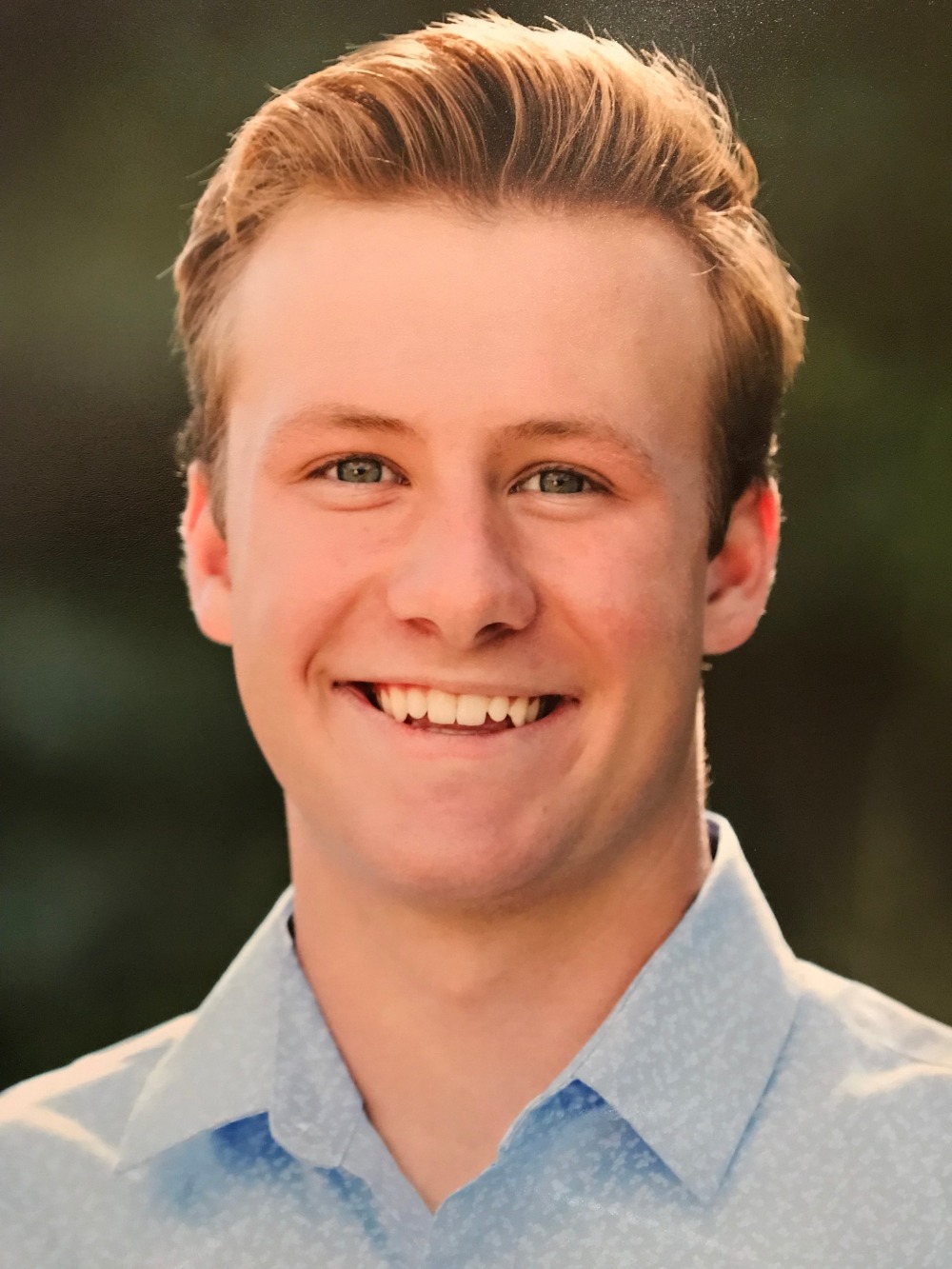
JT Wistrcill is an aspiring journalist with a passion for sports at the high school, college, and professional level. Wistrcill studies journalism at the University of Utah. As a contributor to Voices of Utah to focus on local musicians in Salt Lake and their unique journeys that got them to where they are today. His desire to tell these stories came from a goal to branch out of the sports world and tell stories of individuals who strive to be great at what they do. As Wistrcill progresses in his career, he hopes to not only work in sports but also tell other stories and give people the spotlight they deserve.

Nina Tita

MY STORIES:

MY BLOG:

Thank you. Two simple words. I almost reply, “I only did my job,” but instead I just smile.

What is my job?

A question I have pondered this semester. I am a journalist; my job is to seek the truth and report it while maintaining transparency and minimizing harm. That’s what it says on paper. Really though, was it ever that simple?

No, looking in the eyes of the community members ignored, their needs unheard and unmet by anyone, isn’t simple. Before I can even ask a question, I see their stories tumbling, spilling, pushing at the seams that hold them together. Words burst out vibrantly, telling a story I could never understand.

Yet, I maintain perfect composure, asking for more detail, for a timeline, for anything to help me grasp on to an experience so foreign to my own. Eyes that hold so much pain, also share joy in our interview, a small step closer in a direction of change.

They hand me their truth, raw and real. I hold it carefully because it has been damaged before. How can I take such a thing and share it with the masses, conveying the struggles that have been historically neglected?

I tap my pen over and over, how many other “journalists” ignored this truth. Tied it in a nice pretty package to give to the masses, because the inside is too ugly to see? I want to show it all, frustrated that these interviewees had to say thank you. I should have been the one to say thank you first. My job has never been as easy as they say it is.

I am invested in the hard truths of life and I wish I could do more than just tell it. I wish I could shout it, put it in the faces of everyone and anyone.

“Look at what you want to ignore!” But then I remember there will be many more stories, handed over to me carefully. How could I ever say no?

But I must not lose sight, their stories have found a place to rest, on the newsprint. Not the front page, like it should, but it will sit hidden in the pages, a testament to the resistance they told me I’d face. And maybe there’s hope that someone will read it and feel something. Like I did.

Because if the gift of an imperfect painful truth isn’t enough to strike the heart, nothing can be. That’s no longer my worry. But I know that I for a brief moment caught a glimpse into a truth I will never understand. It will be a lesson I carry with me, being a journalist is only momentary, but being a human is where the true reward comes from. The newsprint can sit on the stands all day long, because I’m the one that’s changed.

Thank you for telling me your truth.

ABOUT ME:

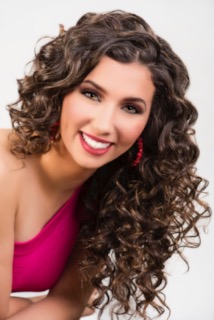
Nina Tita is a journalist in Salt Lake City. Her experience is print and broadcast journalism from her career as a student journalist at the University of Utah.

Nina served as a local leader, Miss Rocky Mountain 2020, where she created a self-started initiative titled, Justice for Journalism, in an effort to connect citizens to their local media outlets, promote creative writing and advocate for student press rights. With the support of Utah Governor Spencer Cox, Nina’s initiative has implemented creative writing programs in over eight elementary schools across the state.

Nina also has experience in public relations and marketing from her internship at the Utah Sports Hall of Fame. There she wrote biographies for new inductees and conducted interviews with current members in the hall of fame.

Nina has interned with The Wasatch Wave, a local newspaper, and copy-edited for The Daily Utah Chronicle.

In 2018 she traveled to New York to study broadcast journalism at Good Morning America.

In 2017, Nina won the Al Neuharth Free Spirit and Journalism Award for the State of Utah. She traveled to Washington, D.C., to learn from the Neuharth family and discuss the future of journalism. There she studied social media journalism.

Nina earned a degree in journalism from the University of Utah.

Leif Thulin

MY STORIES:

Passion for sports can traverse racial divides in Salt Lake City, some Black sports fans say 

Academic success and social happiness for student-athletes: mentorship and support is just as crucial off the field as on the field

MY BLOG:

The teachings of real journalistic experience: what I have learned through writing two stories for this course. 

Through taking this class and creating new experiences journalistically, I have been pleasantly surprised with how accessible and willing to help some higher profile sports reporters have been. Tony Jones and Eric Woodyard very generously offered their time, and as an aspiring sports journalist, I appreciated that they let me get to know them.

I also have been pleased with my improving ability to conduct interviews that are not dealing with necessarily the most comfortable topics, including the killings that triggered the Black Lives Matter movement this summer. Finally, on a positive note, I have been very good about allotting plenty of time to write well-thought-out stories. 

Conversely, I have been disappointed in my understanding of some of the requirements, and my not reaching out in order to find clarity. I wish I were further along in understanding how to write leads and summaries. Finally, though I have improved in terms of being succinct, I definitely can improve.

While I enjoyed the process of conducting interviews and learning more about journalism, I have confirmed what I suspected about myself. I am far better at talking about the things I am passionate about than writing about them. I have learned I need to allot the time I have been allotting to have a semi-successful story.

 I have learned that I really dislike writing articles and it is grueling. However, I am happy that I have been challenged to the point where I have improved as a writer while still having confirmed my suspicions for my distaste for journalistic writing.  

I did feel like an outsider when speaking to accomplished adult African American sportswriters Tony Jones and Eric Woodyard. I felt like an outsider because I have not yet made it into that field, and am white so speaking to them about racial issues in America in part of my interviews was definitely novel whereas speaking about sports with each briefly was seamless.

I did not feel like an outsider speaking to the collegiate athletes because I have played sports my entire life and felt confident speaking to athletes around my age just due to knowing the culture of sports. 

ABOUT ME:

I was born and raised in Salt Lake City. Spending my entire scholastic career prior to college at a small, scholastically rigorous private school, I always felt different for having an insatiable interest and love for sports. Being the kid with ADHD in school never promoted me to talk. Quite the contrary. When I could speak, though, I would and I loved it. I loved the feeling of speaking of what I loved most. Even from an early age, I knew talking about, analyzing sports was a dream I wanted to pursue. I adore the movie “Peter Pan” and the quote, “Just think happy thoughts, and they lift you into the air,” has stuck with me forever. 

A quote from a movie I first watched as a 3-year-old remains pertinent and fittingly so. Simplistically, I think of what I enjoy the most, much of which revolves around sports and the joy that exudes from me when playing or spectating, and I get to share that with others and that is my dream job. 

Since the age of 6, when I realized I would not make the NBA, my original dream job, I have wanted to share my love for the sports that entertain me through telling stories of the games. Fourteen years later as a 20-year-old junior majoring in communication with an emphasis in journalism and a minor in psychology, nothing has changed, except for my voice. 

I genuinely believe there need to be more people who adore their occupation and pour their heart and soul into it, and if I can tell stories about the sports I watch, I will. I  hope through passion and honed journalistic skills, I can relay my love for speaking and telling stories and my knowledge and passion for the games I love, and provide younger generations what the great sports broadcasters provided for me, abetting the sport I could see with what I could hear as well.