Do new high-rises address affordability on the west side of Salt Lake City?

New apartments on N. West Temple.

Story and photos by SPENCER BUCHANAN

The economy is growing and unemployment is at its lowest level in a generation. But many working-class people are feeling the squeeze. Salt Lake City has been greatly benefiting from the high economic growth of the last five years. But according to KUTV, some lawmakers say many residents are feeling pushed out by rising home costs. With rising real estate prices, research from the University of Utah shows that some people fear Salt Lake City will start to experience housing crunches like San Francisco or Los Angeles. To meet with rising home shortages and prices the government of Salt Lake City is pushing new high-density housing developments. These boxy, four- to six-story buildings can be seen going up all over the city. A number of these developments have already come to the west side of Salt Lake City and many more are planned.

The Deseret News touted high-density developments as a way of increasing affordable housing especially, in high-growth areas.

Ivis Garcia-Zambrana is a professor in City and Metropolitan Planning at the University of Utah and vice-chair of the Planning Commission in Salt Lake City. She says that the government of Salt Lake City is actively encouraging new high-density developments through a points-based building permit system, which fast-tracks apartments with affordable units by circumventing administrative reviews by the city planning commission and city council.

“Ideally, as a developer, you avoid all kinds of public meetings. What you do is have an application that follows all the rules … you put in an application that seems so good that you get extra points,” Garcia-Zambrana said.

More points are given to projects that are high-density and have affordable units. She said this system cuts months off a developer’s project time and shows the active encouragement of the city to build high rises. But does high-density housing address affordability issues?

“It’s either too expensive or it’s too small. So it’s pushing out families. So, gentrification is definitely happening on the west side of Salt Lake right now,” said Jennifer Mayer-Glenn, director of the University Neighborhood Partners (UNP) and resident of the west side of Salt Lake City.

“The Salt Lake School District is losing about 1,000 students a year to families having to move out of Salt Lake City because they can’t afford to live in Salt Lake City anymore,” Mayer-Glenn said.

She said affordable housing is a major concern for the residents of the west side. Mayer-Glenn ceded that many of the high-density developments are affordable, but they lack community involvement in the building process.

Garcia-Zambrana said high-density housing doesn’t address the “cost-burden” that many homeowners on the west side experience.

“Cost-burden” is when a resident pays more than 30% of their net income into housing. Garcia-Zambrana is actively studying the west side. In her research, she found residents in the Fair Park and Jordan Meadows neighborhoods, where many of the new high-rise apartments have been built, are not cost-burdened. But residents in Glendale and Rose Park, where the majority are homeowners, the neighborhoods are experiencing housing cost difficulties.

According to Zillow, rents in Salt Lake City average around $1,500 up from the average $1,200 rent in 2015. Salt Lake City has average rental rates compared to the rest of the nation. Areas mentioned by Garcia-Zambrana, Fair Park and Jordan Meadows, have even lower rents. But rent prices and values in Salt Lake City have significantly increased in the last five years. The average Salt Lake City home value today is at over $400,000. While areas on the west side have lower home prices, floating in the high $200,000s, these homes can still be a cost-burden. This is why many renters and owners are starting to move out of the west side and the city altogether.

“For the prices in Salt Lake, they can own a home somewhere else nearby. That’s where you can see some of the idea of displacement,” said Garcia-Zambrana. “Planners are very concerned about cost displacement, but it’s not easy to quantify as you have to know why each person is moving and there are a lot of factors. People may be ‘displaced’ but may not feel disenfranchised (pushed out of their neighborhood), just that they simply moved.”

The Overniter Motel, site of the future SLCRDA Spark! project.

An example of Salt Lake City planners addressing cost and displacement concerns is the Spark! project located at 1500 W. North Temple. This upcoming housing development being built by the Salt Lake City Redevelopment Agency (SLCRDA) is planned to have 200 apartments with 50 designated as affordable or below-market-rate.

“We wanted to mesh housing, commercial, and open space. So there’s a balanced approach to it. So there’s a coffee shop but also a daycare. So it’s serving the community. And we try to focus on local businesses,” said Amanda Greenland, communications and outreach manager for the SLCRDA.

Projects like Spark! and Salt Lake City’s fast-tracking of high-density projects with affordable units show the city’s efforts to address rising housing cost. High-density housing, though, doesn’t address the cost-burden issues felt by homeowners on the west side. The cost of owning a home there is increasing, which is leading to much of the ire felt by longtime residents. High-rises in Salt Lake City are being built with affordable prices in mind but not with the ownership that many families look for. As the city grows and property values increase, homeownership on the west side may become a thing of the past.

Spencer Buchanan

MY STORIES:

MY BLOG:

Salt Lake City has always been home to me. I was born there, grew up there, and in the least have lived near it my entire life. Even though I don’t technically live in Salt Lake City, my life has been connected with it for as long as I can remember.

This is why when I first learned that the west side of Salt Lake City would be the beat for the semester, I felt a little nervous. Growing up in this area, the west side was always characterized as a sort of background space. Filler for the larger picture of the Salt Lake Valley. This made me nervous about writing about it because I didn’t think there was a lot to be “reported” on. I, like many Utahns, overlooked the west side.

However, soon after I started research for my stories, I found the area and the people who lived there not so far off from my own situation. I live in Magna, a smaller town, on the western edge of the Salt Lake Valley and like the west side of Salt Lake City, the residents there are often overlooked. Like the west side we’re known for being a thoroughfare, a part of town you don’t linger in and just make your way to somewhere else. I found that in many ways — culturally, demographically, and economically — my town of Magna and the west side share a lot of characteristics and many of the same issues.

This realization changed how I approached finding stories about the west side. Others in Voices of Utah have done so well to show and tell the unique culture of the west side. So I decided to focus on the economic and civic issues that the west side faces. And like my town, I found the west side often experiences the harsher consequences of broader economic and civic issues. Focusing on mutual issues gave me the benefit of seeing that we can often see our issues and space as the most important and unique, with issues that no one can really understand. Reporting on this beat, though, helped me see that many issues and problems are not unique to one place and that we can find mutual understanding and solutions when we can look outside our spheres.

Reporting on these mutual issues, I felt like I became more of an insider to the west side. I found the residents of the west side shared many of the same experiences I found in my town of being overlooked, and holding the brunt of larger societal issues like poverty, civic oversight, and representation. I felt like I shared much of the sentiment that I felt with those I spoke with on the west side.

In my few experiences in the past with reporting, I always felt more like an outsider because though the topics and issues I wrote on were interesting to me, they weren’t necessarily directly affecting me. I think most reporters can feel this way. They often report on things they don’t know about in places they’ve never been. But the issues and topics I focused on in this beat were things that had always affected relatives and me living in a similar situation to those on the west side. So this motivated me and invoked my curiosity to speak with people whom I wouldn’t have for a similar journalism class.

But despite my curiosity and the newfound connection I felt to issues of the west side, I’m disappointed that I wasn’t able to incorporate more of residents’ perspectives and not just those of community leaders, government officials, and experts. Those in leadership and academic roles often have good intentions but seem to be spread mentally thin on a lot of issues. They focus on broad issues, they have constituencies to please, agendas to fulfill, and papers to write. So, I feel many of my pieces are more “overlooking” that personal connection.

I’m glad, though, that I was able to discover a new part of my home while working on this beat. I learned a lot about how communities view themselves and how it’s important to slow down a little bit and focus on the things around us. I, like many others, ignore many of the people and issues that are just down the road from us. I’m grateful that I was able to be a part of this beat. To slow down and see a part of Salt Lake City in a new but familiar light.

ABOUT ME:

I was born and raised in Salt Lake City. I grew up in stories, from films, television, books and tales from my parents and grandparents. Stories about real people always fascinated me the most. My love of history is what drove me to journalism.

A teacher of mine in high school once said, “News today is tomorrow’s history.”

I started reading old newspapers and unlike my history textbooks, they felt more connected with the people of the time, they showed people’s personalities and gave me a better understanding of the sentiments of the era. Seeing this I felt like I should be a part of recording the history that was being made instead of just reading the old.

This drove me to major in Strategic Communication and study journalism. I still love history and it’s my hope to incorporate this into my writing career.

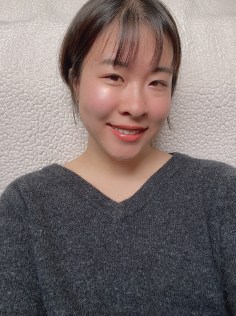
Nina Yu

MY STORIES:

MY BLOG:

Prior to taking Voices of Utah, I had little idea what I would be getting myself into. To my pleasant surprise, the class pushed me to explore communities and write stories that were outside of my comfort zone.

IMG_2177Everyone thought I was crazy when I chose journalism as a career to pursue. I’m an introvert who would rather be alone than being at a party talking to people. Before journalism, I had dropped my pre-med status against the wishes of my parents. I had already written for a few school-related publications and taken creative writing classes, so writing wasn’t new to me. When I wedged myself into my new major, it became an eye-opening experience. The stories I had to cover meant stepping outside of my safe bubble and interviewing all kinds of people to learn more about their lives and culture.
When I first found out we were going to be covering the west-side neighborhoods this semester, I was quite indifferent to the beat. But as we started to come up with ideas for the first story, I found an interest in the cultures and local organizations in the neighborhoods. My interests only grew from there. It was enjoyable looking through the different things I could cover and hearing pitches from my classmates.

When I begin a story, I try to remove all bias that is initially planted. Sometimes it’s hard trying to gain a new perspective when there’s already one so deeply rooted. The story I wrote about the Youth Resource Center made me see the teens experiencing homelessness in a new light. I learned so much from the interview and being able to see the activity inside the center. It was amazing.

That story also made me realize how much of an outsider I was. Compared to the youths who have to use the resources at the center, I grew up in a completely different environment. This made me understand that with some stories, I will never be able to experience what the other party has been through. I can only get the “outsider” view and try to grasp the situation.

I have enjoyed my time with Voices of Utah, even if it was cut short because of COVID-19. This course made me realize the progress I have made and the long way I still have to go. I am so excited to keep discovering and sharing stories that need to be seen. The path to becoming a professional journalist is scary but I’ll only pause for a cup of tea before sharing my truth.

ABOUT ME:

I am a journalism major graduating in the fall of 2020. Writing has always been a passion and I will continue to tell stories throughout my career. I have written for The Globe, The Daily Utah Chronicle, and Her Campus Utah.

Writing for Voices of Utah has been an enriching experience and one I will remember for a long time. Asian American issues have always been a topic of interest and I will strive to be a professional voice for the Asian American community after graduation. When I’m not writing, I enjoy cooking, dancing, petting my dog, and traveling.

Hartland Partnership Center has kids dancing into their future

Story and photo by KATHRYN A. HACKMAN

The University Neighborhood Partners (UNP) Hartland Partnership Center.

As the last school bell rings at Mountain View Elementary and Glendale Middle School, 15 to 25 kids make their way to the University Neighborhood Partners (UNP) Hartland Partnership Center. This is their weekday routine, with afternoons full of experiential learning and creative fun. However, once a week, this creative fun is taken to an entirely new level.

Every Tuesday throughout the year, you can find Kelby McIntyre-Martinez, the program director of professional development at the Beverley Taylor Sorenson Arts Learning Program, leading a high energy dance and theater class for the Hartland kids.

Through these performing arts classes, the children can talk about social justice, immigration, identity and cultural differences. This is all thanks to the safe outlet of expression that the arts can provide.

“The arts at Hartland transcend language. They transcend background. As a class, we may not fully understand each other, but we are still creating together,” McIntyre-Martinez said.

She describes an afternoon spent at Hartland as “loud, boisterous and “smiley.'” It’s a time that calls participants to live in the moment. It’s an hour that is full of nonstop energy. “The work that I’m able to do at Hartland is just joy,” McIntyre-Martinez said.

However, this reciprocal bond between the University of Utah and west-side residents didn’t always exist.

In 2003 the University of Utah and west Salt Lake City’s diverse neighborhoods were nothing more than cordial acquaintances. Although they were neighbors in the Salt Lake Valley, their interactions were minimal. That all changed in 2004 with the creation of the UNP Neighborhood Partnership Center.

UNP decided the best way to connect with the west side was to move into the Hartland Apartments, which many Glendale residents called home. 

This newly founded collaboration set out to empower the community, 75% of whom are non-native English speakers, through building university connections and promoting education. They began to offer English language instruction, mental health support, citizenship classes, employment workshops, and educational resources.

This campus-community fusion was designed to ensure that those living in the area had access to a wider range of local resources. Over the years, that’s precisely what they’ve done.

With rapid growth and community involvement, UNP eventually moved into a larger building right across the street.

“The role of UNP is to bring together community residents with the University of Utah, and surrounding organizations,” said Jennifer Mayer-Glenn, the director of UNP.

She said that the greatest enablers for those living on the west side are caring communities, quality teachers and schools, cultural services, and places of belonging.

While UNP offers these educational programs for adults, it certainly hasn’t forgotten about the kids.

The UNP Hartland Neighborhood Partnership Center offers a year-round after-school youth program for the children living in the nearby apartments.

UNP’s model is about being involved with the children and investing time into programs that create pathways to higher education.

Abdullah “Tuna” Mberwa moved from Kenya into the Hartland apartments in 2003, one year before UNP became his neighbor. He was one of the first children to experience UNP’s after-school program. Today, he’s the youth center coordinator.

His experiences allow him to connect with the kids in a very unique way. “I don’t want them to just look at me as the program coordinator, but as a mentor,” he said. Not only does he take on the role of mentor, but also that of a tutor.

Hartland staff like Tuna, and occasional volunteer students from the U, can provide the academic and language support that the children may not receive at home.

Homework is a challenging task for students all across the United States. But for the children at Hartland, there’s an added level of complexity. Many of the students come from countries in Africa, South America, Central America, and the Middle East. Therefore, English is not the primary language spoken among their families.

The academic support that UNP provides is crucial.

But after a studious hour well spent, the kids get to let loose with a university partner. These partners — like McIntyre-Martinez, who also is on faculty at the U — are experts in their craft and teach classes in subjects like art, yoga, and science.

On Tuesdays, the children often rush to get their homework done because they know “Miss Kelby” is coming to dance with them.

Through dance, the children can bring their stories and backgrounds to life and blend them with the arts. Together the students fuse their worlds and create original works.

She ends every class by asking the students if there is anything, they’d like to teach her. A few lessons ago, she said three boys from Mexico showed everyone a song from home. Another time she had two boys teach the class a dance from Burundi.

The arts are a crucial part of the after-school youth program. As McIntyre-Martinez said, ”It creates a space where students feel welcomed and valued. It creates an area where you don’t need to speak the same language to come and jam.”

Not only does her class expose the Glendale children to the arts, but also higher education.

One of the courses she teaches at the U is called Theater for Social Action, which takes place at Hartland. Her college students ditch their textbooks for the afternoon and instead experience what teaching in the arts is really like.

They spend the semester working with the children at Hartland, co-creating, and bringing art to life. Both the students and the children end their 16 weeks of preparation with a performance at the Sorensen Unity Center where they receive the applause that every artist seeks.

This exposure to the collegiate world allows the children at Hartland to envision a future in college. 

Over the past 12 years, McIntyre-Martinez has seen the direct impact that Hartland has had on the children living in west Salt Lake City. She knows this reciprocal model that UNP has works because she sees some of her Hartland kids grow up to join her on the university’s campus as college students. She said, “We’re now reaping the fruits of this awesome partnership.” 

Hunter Thornburg

ZM4vqeFNSWubLs2VzERoxAMY STORIES:

MY BLOG:

For this beat, I chose to write profiles about three coaches at West High School. This topic was important to me because I’ve had a positive connection with every coach I’ve interacted with, and I believe that they play an important role when it comes to the development of character and values in student-athletes.

While reporting on this beat, I actually did feel like an outsider while conducting my interviews at West High. I am not much older than the students there, and I feel like I look almost the same as I did in high school. However, the students and staff at the school somehow managed to identify me as someone who didn’t belong there. I got a lot of looks despite thinking that I was blending in. I had used a specific analogy when telling Professor Mangun about my experience in the school that I personally think is spot on.

Imagine if you took your dog to the same dog park every day. Your dog spends the whole time interacting with other dogs, running free without a worry in the world, and then goes home. But one day, someone brings a wolf to the dog park. Your dog doesn’t watch Planet Earth. Your dog has never seen a wolf before. But somehow your dog knows that there’s a wolf there. As a result, your dog starts acting really nervous around the wolf. That’s what it was like being a college student interviewing students and staff at West High School.

I would say that it was difficult to remain objective while writing these stories to an extent. Discovering the various styles of these coaches made me want to compare them to my personal experiences. However, the most difficult part of remaining objective was containing how impressed I was with these coaches. For example, when I interviewed the head football coach, I was amazed when I found out that West High’s football coaching staff conducts home visits to make sure the students’ needs are met.

My biggest success with covering the beat was getting in contact with West High’s Athletic Director, Rachel Townsend. She was massively helpful throughout the entire semester. She made sure that all my questions were answered and played a crucial role in connecting me with coaches and student athletes for each of my stories. I can’t imagine how the whole interview and writing process could have been smoother.

ABOUT ME:

I was born in North Ogden, Utah, on Jan. 17, 2000. My dad was in the Air Force, so we moved a couple of times before I graduated high school. At age 9, my family moved to Italy. We lived there for three years before moving to Mountain Home Air Force Base in Idaho. In 2018, I graduated from Mountain Home High School, but I was completely unsure what I wanted to do with my future. Part of me thought about enlisting into the Air Force, but another part of me felt that wasn’t what I truly wanted.

I began my attendance at the University of Utah in Fall 2018, but started out majoring in political science with a minor in Air Force ROTC. After one semester, I decided I wasn’t really wanting to join the military at all. So, I sat down and thought about what I was truly interested in. My mom used to always say that she could see me being a sportscaster. I always thought that it was just a little too far out of reach, so I never bothered to give it a shot. But I have since changed my major to communication with an emphasis in journalism, and I am pursuing a career in the sports journalism field, a field I’ve always dreamed of getting into.

Following my college graduation in May 2022, I am hoping to become a sideline analyst for college football. Wearing flashy suits on TV, traveling weekly to the biggest games, seeing the beautiful stadiums, etc.  That’s the goal. I am excited to see what the future brings.

Keith Lopati, West High School’s outstanding softball coach

Story and photo by HUNTER THORNBURG

When West High School in Salt Lake City is searching for a new head coach for any of its athletic programs, it creates a selection committee through which all potential coaches will interview. The committee contains two student guardians, two staff members, one of the school administrators, and the athletic director. All potential hires receive the same questions from the committee, and the process is competitive.

Coach Keith Lopati in his West High School office.

Out of this selective procedure came West High School’s Varsity Softball Coach, Keith Lopati.

Lopati is a special education teacher, working specifically with the behavior unit at West High. He is heading into his eighth year of softball coaching in Spring 2020. Lopati strives to connect with his athletes and does everything he can to help the student-athletes get where they want to be. For him, it all starts with establishing the coach-player relationship.

He added that after the relationship and trust is built with his athletes, he focuses on what they’re hoping to achieve as a student-athlete, whether that be playing at the collegiate level, or simply just concentrating on self-improvement.

Lopati said, “My coaching style is really being able to build a rapport with all of the athletes that I come in contact with, whether it be female or male, and starting from there and working the ground level up.” He added, “The approach is really just to get to know them and build that relationship with them in order to understand their needs, and then go from there.”

Over the years he has coached at West High School, he says he has been fortunate to have worked with all sorts of individuals — from the top-tier athletes to those students simply looking to be a part of a team.

Student-athletes say he has significantly impacted them on and off the field.

Daisy Taloa, a senior at West High School, said Lopati is good at holding the athletes accountable and making sure they are always on top of their school work. She said he is an involved coach too. Despite keeping the athletes in line academically and athletically, Taloa also mentioned that Lopati has established engaging and fun conditions for the girls to play softball in.

Taloa said, “When we had to put pressure on ourselves to make sure our performance was our best, we’d do it, but it was fun. You didn’t ever feel like you didn’t want to play softball anymore, and he made the environment a good environment for you to want to stay in.”

Taloa added that Lopati has helped her improve as an athlete and as a student. She will play collegiate softball on a full-ride scholarship for Grand Canyon State University, located in Phoenix, following her senior year.

Another senior leader and future collegiate athlete on the team is Kensey Lopati, the coach’s daughter. Like her teammate Taloa, Kensey said her dad is involved as a head coach, and focuses on making sure the student-athletes are doing the right things on and off the field. However, Kensey said that when the girls make mistakes during practice, Lopati calmly brings it to their attention and teaches them the way to correct it.

Regarding Lopati’s approach, Kensey said, “His coaching style really is: if we want it, we’ll go get it. He’s just here teaching us and giving us the tools to succeed.”

She said that thanks to the guidance of Lopati, as a father and a coach, she will go on to play collegiate softball on a full-ride scholarship for Salt Lake Community College following her high school career.

Lopati’s success connecting with the athletes, and guiding them to triumph has not only been recognized by the student-athletes, but also by West High School’s athletic director, Rachel Townsend. She has been in the position for three years, and pays close attention to the many athletic programs the school, located at 241 N. 300 West, offers. Although she was not the athletic director when Lopati was hired, she says she’s not surprised the committee decided on him.

Townsend agrees with the student-athletes and their assessment of Lopati. She appreciates the fact that he holds the athletes accountable on and off the field.

“He has created an environment that makes people want to play here, people that aren’t really familiar with the sport. He’s also created an environment where the students know that what they put in is what they get out of it,” she said.

Townsend said Lopati has successfully coached several athletes to the collegiate level, both at Division 1, and junior college. Some of the athletes currently playing college softball include Huntyr Ava at Brigham Young University, Keisha White at North Carolina State, and Jazmyn Rollin at the University of Missouri.

Lopati won 5A state championships with his team in 2017 and 2019, and also won Coach of the Year in those seasons. Townsend attributed this success to his extensive knowledge of the game, and his ability to effectively convey that knowledge to the student-athletes.

As the 2020 season approaches, Lopati says he is planning to keep up the momentum and will continue to make efforts to connect with his athletes in order to guide them to successful futures.

Palak Jayswal

MY STORIES: 

MY BLOG:

When I first learned that our beat would be the “west side,” I was immediately excited. In my career as a journalist so far, I’ve learned that the best way to learn about a community is to immerse yourself in it entirely and find the stories that reflect the heart of the areas. The west side, unfortunately, is one of those communities in Salt Lake City that is often forgotten about. I’m happy to reflect and say that through my reporting for Voices of Utah, I’ve not only learned about this community, but have also had the opportunity to share what I learned with others through my writing. This is my favorite part of being a journalist.

My biggest takeaway from this experience is an epiphany of going back to the basics of journalism. The outlining, the process of getting to know someone, the ability to get hands-on with a community or person. Journalism, and more so writing in general, is my passion. Through this passion, I’m able to help highlight and share the passions others have. This was my favorite part of this experience. I love seeing the light in people’s eyes, the way they talk proudly about their passions and art. My second piece with Ballet Folklórico de las Américas reminded me to focus on the basics of journalism — how interviewing someone in person is so different from a phone or email interview. I learned to fall in love with my passion again, or at least remember the curiosity that made me fall in love with it originally. 

Working so closely with the members of the dance group was eye-opening for me. The story wrote itself just from the interactions I had with these kind people. Even if I was only able to be with them for one practice session, I felt like I was a part of the group. The passion I have for writing is the same they have for dancing, for sharing the cultures and traditions of Latin America. It resulted not only in a wonderful piece, one of my favorites throughout my career, but a newfound respect for the interviewing process. 

I’m not sure where life will take me after this class, after my time at the University of Utah. But I do know I will always be writing and I do know I hope to continue my focus on arts journalism. It’s not necessary for me to point out how drastically our world has changed this spring, but as always, the one thing that has kept me grounded is my writing. No matter where the stories take me, I will remember this beat, what it did for me, and how it reminded me of what is most important. 

Utah will always be home for me and when I’m here, I will do my best to support the arts across the state. I’ll continue to seek and share the stories of passionate artists like me. Voices of Utah reminded me of why I decided to pursue journalism.

ABOUT ME:

Palak Jayswal was the arts editor at The Daily Utah Chronicle from 2019-20. She has been a writer for the desk for three years. She’ll graduate with a B.A. in Communication and a minor in creative writing in May 2020. Palak is a big fan of the arts, but especially music and all things One Direction. She aspires to be a music journalist and to one day write for a publication like The New York Times, Rolling Stone, or Billboard.

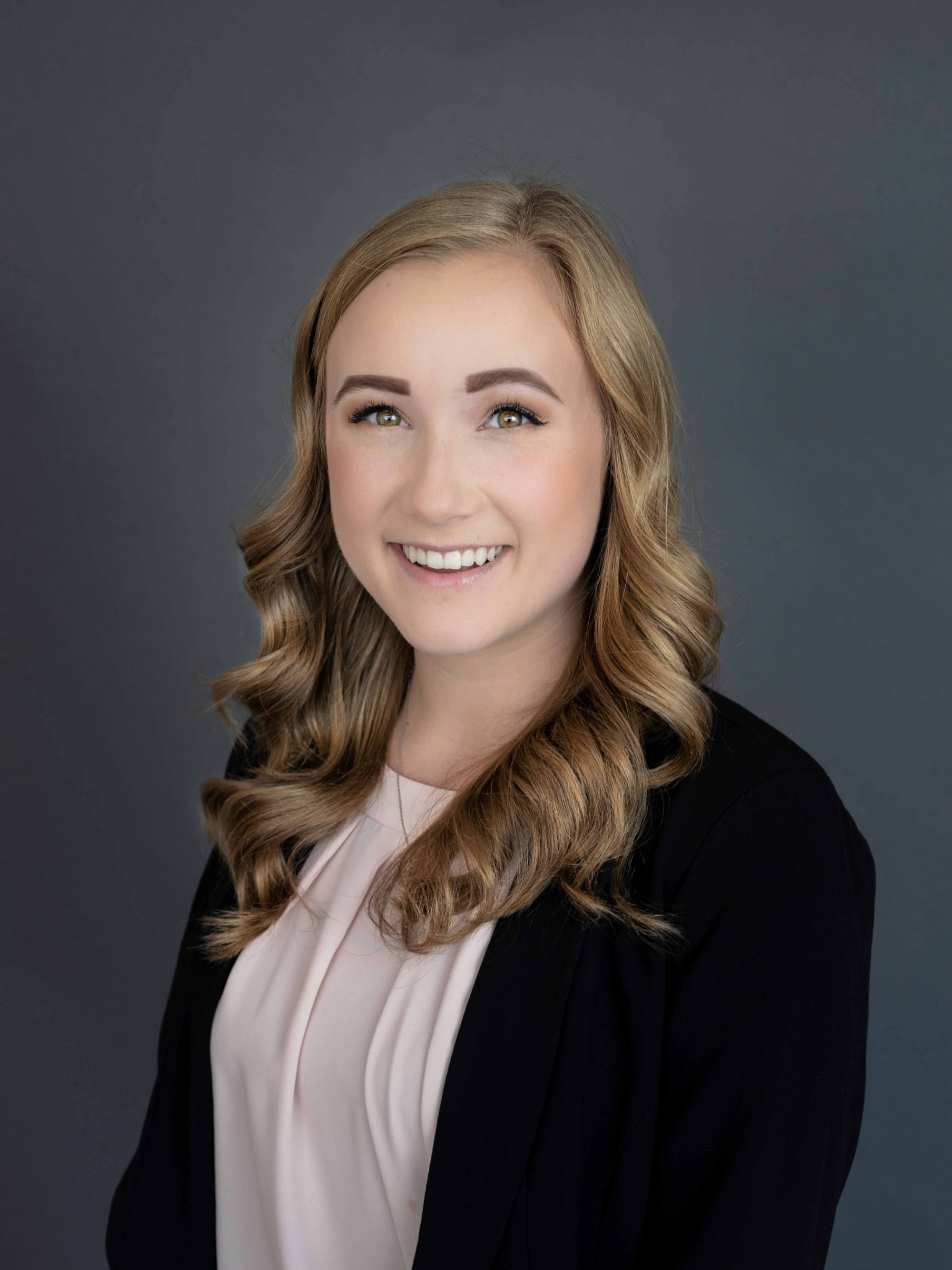
Kathryn A. Hackman

MY STORIES:

MY BLOG:

My greatest lesson learned over the past semester is not to be fearful of the unfamiliar. I had never been prompted to wander so far outside of my comfort zone when it came to building personal connections within the community. However, in my time writing for Voices of Utah, I found truth in taking perceived risks to promote personal growth.

Professional Headshot

When I learned of our beat, the west side of Salt Lake City, I was unsure of what to expect! I had no established roots in any of our assigned neighborhoods. Therefore, I had difficulty envisioning my place, telling the story of those living on the west side. Would I be able to genuinely connect with strangers in this journalistic setting?

As the semester comes to an end, I am happy to report that my original uncertainty could not have been further from my actual experience.

What roots I lacked on the west side prior to taking this class, have now grown. I found that journalism allowed me to build connections with strangers through observation and great conversation. I learned that my place as a journalist was not to rewrite someone’s story. Rather, listen and learn. And only once I’d developed an understanding of the narrative they wanted to share, did I go on to use the platform I’d been given to help let their voices be heard.

I realized the importance of building a community with those who travel outside of my circle. Because through these efforts to gain an understanding of others, I gained a better understanding of myself.

I found a new way to further my own confidence when in new and unfamiliar professional settings. I learned how to add boldness to my life. I discovered that one can be bold while still managing to be polite and professional. While I learned about it through my time in journalism, I look forward to adding this newfound boldness to other aspects of my life.

ABOUT ME:

I am a strategic communication major heading into my senior year at the University of Utah. Whether on the stage or through a painted canvas, storytelling has always been a part of my life. The opportunity to write for Voices of Utah and expand my storytelling ability has been an exciting one.

After graduation, I plan on pursuing a career in public affairs. However, I do have a love for all things Disney. And if I never want to work a day in my life, perhaps that’s a career path worth exploring!

Looking to the future, I see a lot of possibilities. But no matter what happens, I know that my time spent writing for Voices of Utah helped me grow as a writer and as an individual.

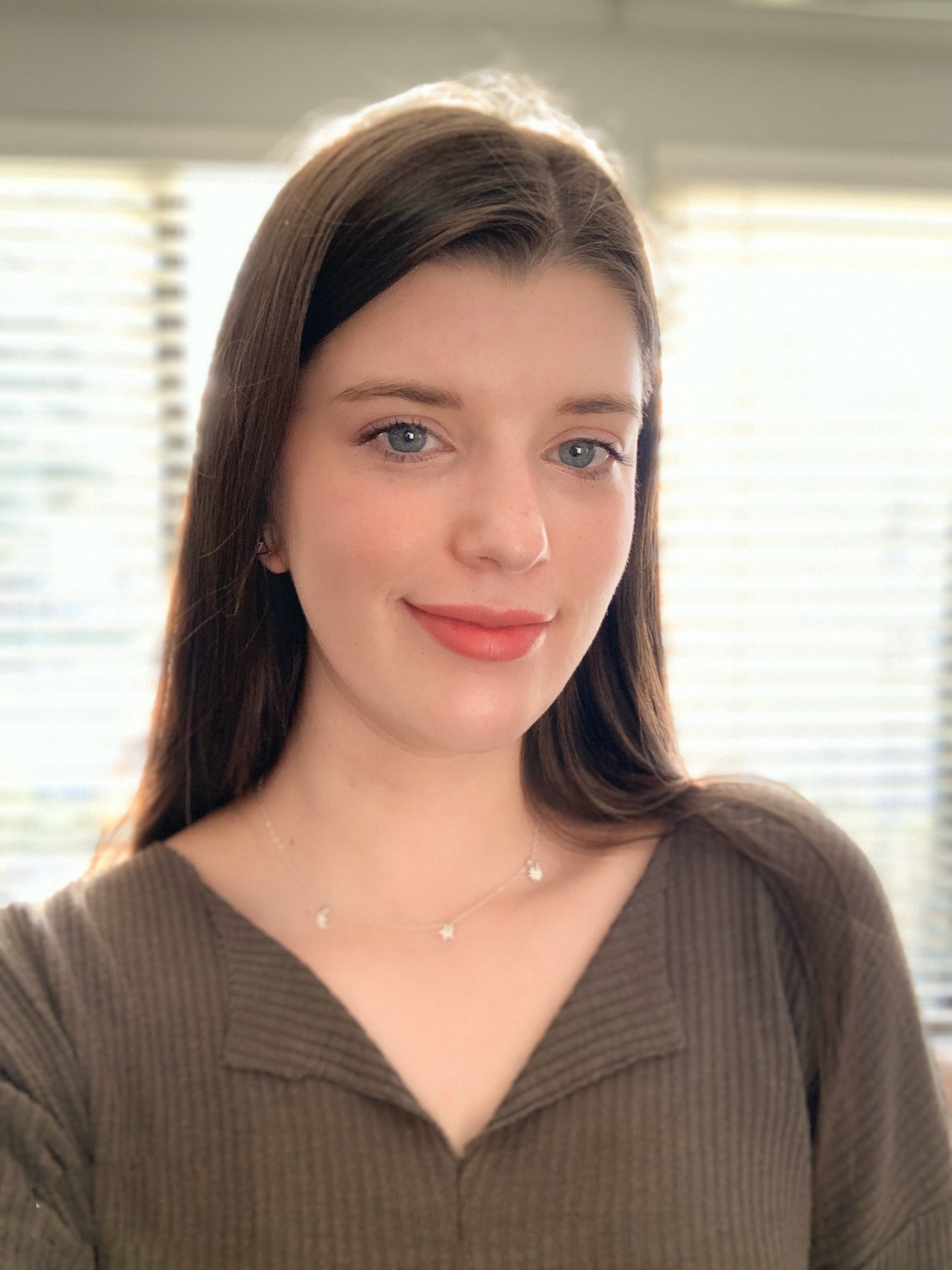
Cassandra Rosenkrantz

MY STORIES: 

MY BLOG:

When I signed up for Voices of Utah, I was so excited to see what our beat would be for the semester. Friends who took the class in previous semesters said how fun it was to write about a certain group of Utahns. They also said how much their writing had progressed throughout the semester. On the first day of class, I was excited to learn that my beat was the west side of Salt Lake City. Not knowing much about the area, I was interested to learn more but scared that it might be difficult. Now, nearing the end of the semester, I have had so much fun navigating the area and finding unique places to visit and people to talk with. For some reason, I thought it was going to be a drastic difference on the west side. There are differences, but for the most part, we are the same. The greatest thing I learned from this beat was to not expect people to live a certain way. Even though many negative things are going on in the beat area, most people were positive and wanted to tell stories about the improvement of their cities and their neighborhoods.

This class helped me realize how much I miss writing. I haven’t written in a journalistic way for quite a while because I have been focusing on design courses for the last year and a half. This class made me see how much I enjoy talking to people about their life and learning about others. It made me see how fun it was to dive into a story and to become more knowledgeable about the world around me. One big thing that I learned about myself was that I not only love to write but I also love to listen. I have never really liked interviewing others in the past, but this semester has been an absolute blast. I don’t think I have ever bonded with other interviewees like I have for this beat. The west side of Salt Lake City offers the most interesting people who have such unique and diverse lives.

I plan to continue my adventure around the west side. It is so close to where I live, but I never really went there. The west side has many hidden gems that will take your breath away. This class has made me want to explore other areas of town that I don’t visit often to experience this feeling again. Taking a walk or a drive can show you everything you are missing. One of my favorite places I discovered on the west side was Ruby Snap, a bakery. Supposedly this is a huge Utah company, but I had never heard of it. I popped in one day after an interview and they have the most delicious cookies. I go there very often now. It is so rewarding to find a community filled with great places and people. Exploring more of the west side will be on my to-do list for the summer.

ABOUT ME:

Cassandra - photoApplying for the University of Utah, I didn’t know what I wanted to major in. I decided to try out the Communication degree because it was so broad and I would have the opportunity to connect it to anything. Once I started taking classes, I was able to write with more passion that I ever had before. I never knew that I would enjoy being so creative and open with my writing.

Focusing on journalism for my first two years at the U, I took beginner and intermediate classes where I was able to get to know my peers and professors. Once I hit my third year, everything changed. I had a sudden passion for learning graphic design. I loved being creative but I wasn’t good enough to draw on paper. This is where computer graphics came in handy.  I took classes online to help me with my knowledge in Adobe. I fell in love with designing. Being knowledgable on this subject helped me land my current job in fashion marketing for a local clothing store, where I handle all graphics and social media for the company.

Halfway into my third year, I decided to finally take action for my love of sports. I applied to be a sports marketing intern for the University of Utah Athletics Department. After interviewing, I was immediately put onto the team of hard-working interns. Once I understood how everything worked, I wished that I had started the sports internship earlier in my school career. Being involved with the sporting events and being able to be close with the sporting teams was great. It helped me see what I could possibly do for a job in the future with sports.

After I graduate in Spring 2020, I plan on starting my own fashion company that is already in the works. I’m very excited to see where my degree in Communication will take me, because after all, it has endless possibilities and I am ready to take on those challenges.

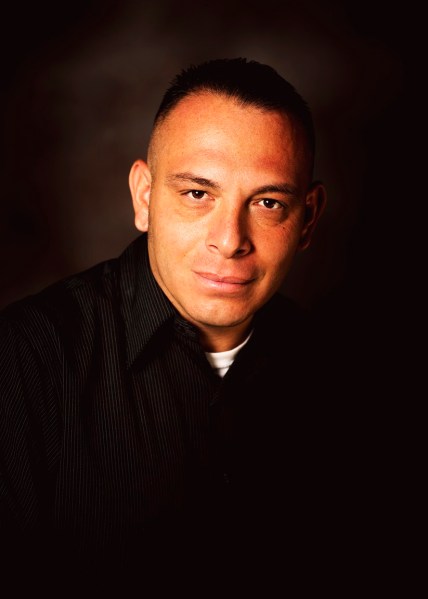
Jacob Rueda

MY STORIES:

MY BLOG:

Spring 2020 has been one of the most challenging semesters yet. The outbreak of COVID-19 plus a 5.7 earthquake were among the things that made this semester a particularly difficult one.

Jacob RuedaDespite the drawbacks, there were highlights as well. Receiving recognition for work I did the previous semester was something that felt good. I worked hard to carry on the dedication and focus of the previous semester in the face of whatever challenges took place this year. Needless to say it was tough but I got through it as best I could.

One skill I developed throughout the semester is the ability to self-correct and refine my work to improve my storytelling ability. In some instances it’s easy to state the obvious or use clichés to accentuate a point in the story but it takes greater skill to do something different that might get readers not just to keep reading but to develop their thinking about something, be it a situation, a person or a condition of their environment.

When this beat was announced, I was not sure how I felt about it. I had low expectations of the area and of what I thought I would be reporting on. My perceptions ultimately stayed the same after reporting on Salt Lake City’s west side but there were a few bright spots. I was able to get more in-depth views of the area and there were some things that were interesting. In the end, exposing marginalization in all its forms from the socioeconomically and politically imposed to the self-imposed is one thing I learned working this beat. I tried to show a reality that was honest and factual but not without triumph from those who experience it. In other words, I wanted to show that despite the conditions that give way to marginalization, individuals still thrived and were helping others do so.

Covering a beat like this was a great way to learn about reporting issues of strife like drug abuse, poverty and perhaps, I would say, war and social conflict. One doesn’t learn anything about the world covering routine or commonplace things unless it’s done in a manner that evolves the perception or function of what one is covering. I also believe that reporting on strife improves how positive stories are reported which I think is important.

Professionally speaking, I believe news outlets benefit from someone with varied experience. Beat reporting has a purpose and there are individuals who sculpt such reporting to provide angles never explored. For me, that’s fine for a while but I would want to cover something else after a time. For example, the opioid crisis was something I enjoyed covering. I also enjoy covering business and how it relates to seemingly unconnected topics. Like I mentioned earlier, I think it would be interesting to cover a war zone or the impact of war on various aspects of life. As a writer and a journalist, there is much more to see and experience than a single beat and although I may approach some assignments with trepidation, it will teach me something about the world and about myself.

I like shedding light on perspectives that are not explored. I believe that is a skill I am still developing at this point. The challenge in doing it well is finding an angle that hasn’t been explored yet. Most people know the basic information about the things they’re exposed to. If they look at something for a while and move just a little in any direction, they’ll encounter it from a perspective they’ve never seen before. It’s something that a lot of people take for granted but it is a phenomenon that, if taken more seriously, would reshape how we live our lives or relate to the environment around us.

ABOUT ME:

I am currently a junior at the University of Utah majoring in communication with an emphasis in journalism. I am originally from Quito, Ecuador, but I have lived in the United States the majority of my life. Aside from writing, I enjoy food, music and travel.